

In the computer world, “Easter eggs” aren’t colorfully painted eggs – they’re surprises hidden inside software, often a game. But “Easter egg” is also a term I sometimes use when talking about photography.
The human eye is quick to find the unusual, or unique. That’s why a small area of bright color stands out so easily in an otherwise flat, or one-color scene. It’s also why a single bird in the sky of a landscape picture stands out. It’s that single small element that catches the eye. And that’s what I call an “Easter egg” when looking at a photo.
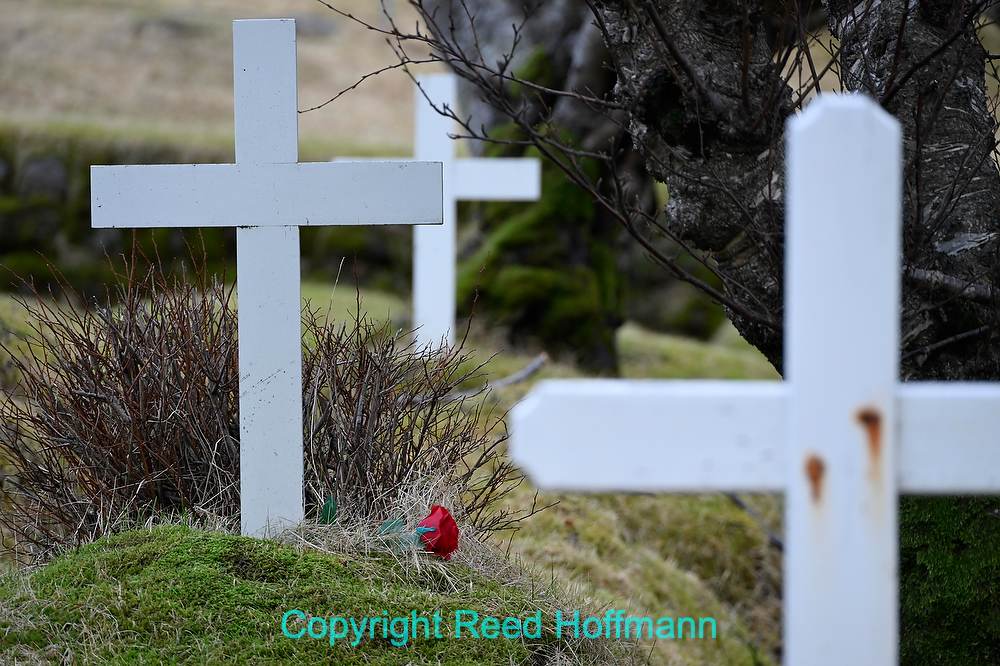
Despite the strong, graphic presence of crosses, the human eye easily goes to that small bit of rich color, a single rose, tucked a in a small cemetery in Iceland. Nikon Z 8, Aperture Priority, Sunny white balance, ISO 1000, 1/40 at f/8 in Matrix metering, -0.3 EV, Nikkor Z 28-400mm f/4-8 VR lens at 300mm.
Most of the time, that small element isn’t the subject of the photo – without it, you’d still have a nice picture. But add that one extra piece, and suddenly your photo has been taken to the next level. Of course, if you’re aware of the impact a single detail like that can make, then you can apply that knowledge to help you make better pictures with more impact.
As I always say, “different” is one of the most important words in photography. So wherever I’m doing photography, whether here at home in Kansas or around the world, I try to keep that in mind. Little things can make a big difference!
Here are a few examples of what I’m talking about:
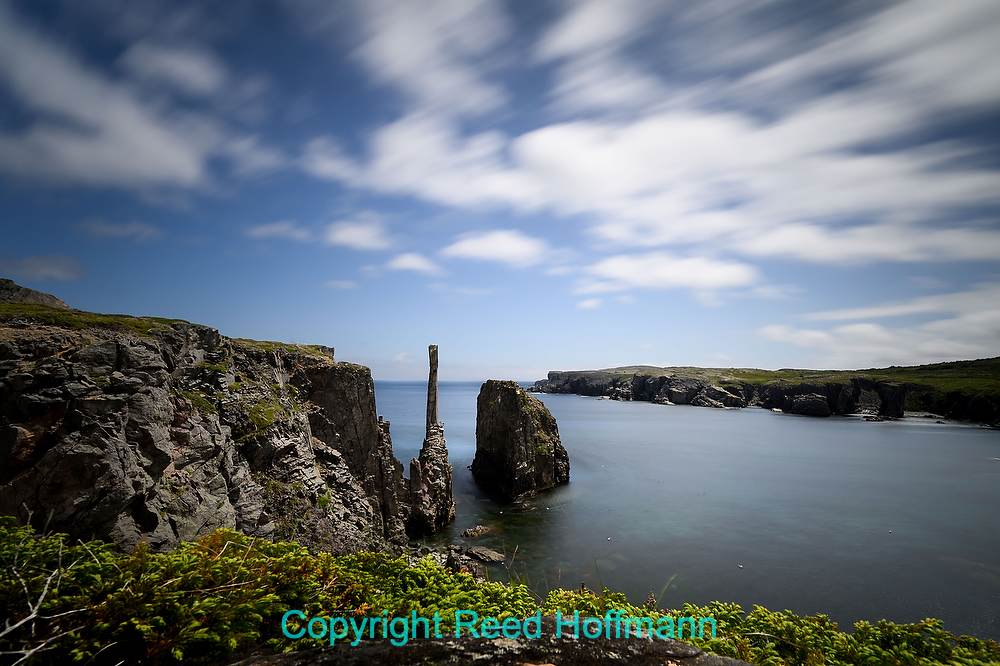
It’s important to know the difference between an “Easter egg” and the subject of a photo. There’s no egg here, as the thin spire of rock is actually the subject. An Easter egg in this photo might be a single seagull silhouetted against the bright clouds over this bay in Newfoundland. Nikon Z 8, Manual exposure, Auto white balance, ISO 100, 5 at f/14 in Matrix metering, -0.7 EV, Nikkor Z 14-30mm f/4 S lens at 14mm.
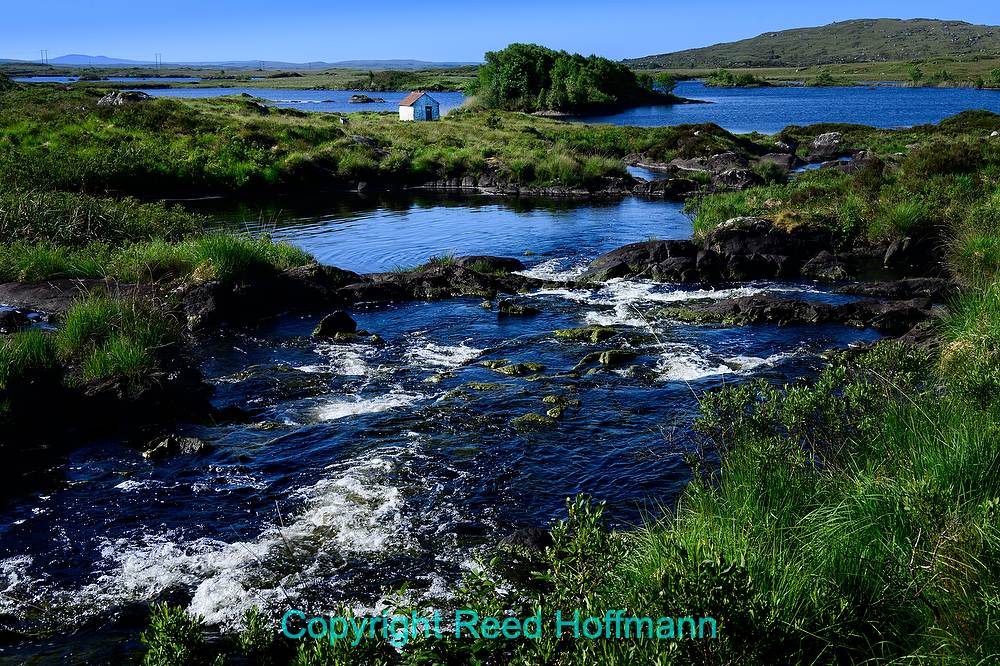
This lush Irish scene would still be nice without the small white cottage. But the cottage, my “Easter egg,” makes the scene much better. Nikon Z 8, Aperture Priority, Sunny white balance, ISO 160, 1/125 at f/13 in Matrix metering, -1.0 EV, Nikkor Z 28-400mm f/4-8 VR lens at 39mm.
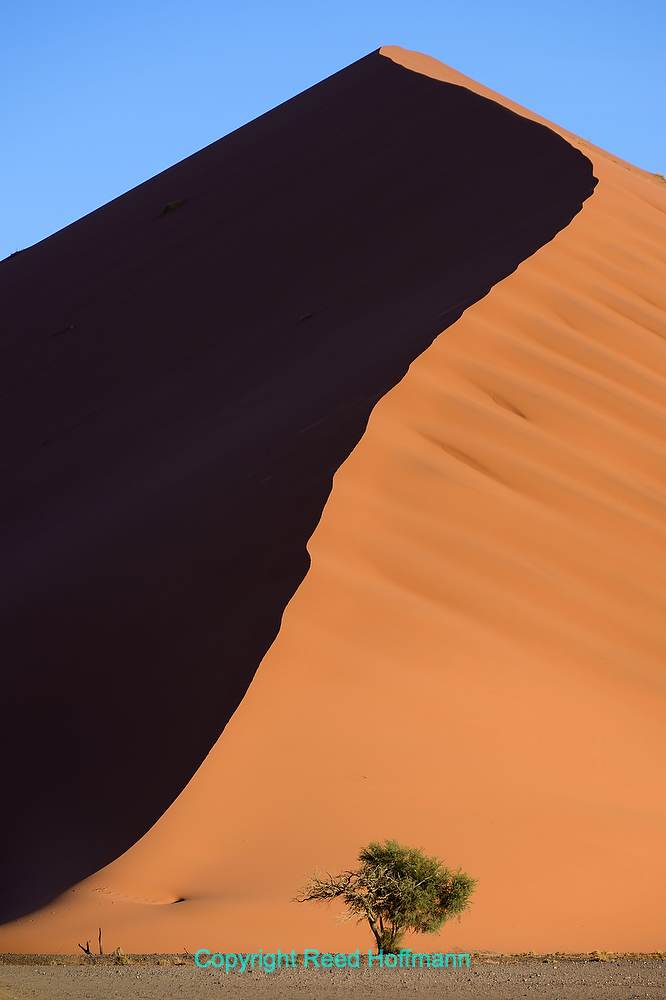
Strong morning sun sidelighting a dune in Namibia, at Sossusvlei, would have made a nice photo as is. But the single tree against the orange sand is what makes the picture special. Nikon Z 8, Aperture Priority, Sunny white balance, ISO 100, 1/160 at f/8 in Matrix metering, -0.3 EV, Nikkor Z 24-200mm f/4-6.3 VR lens at 170mm.
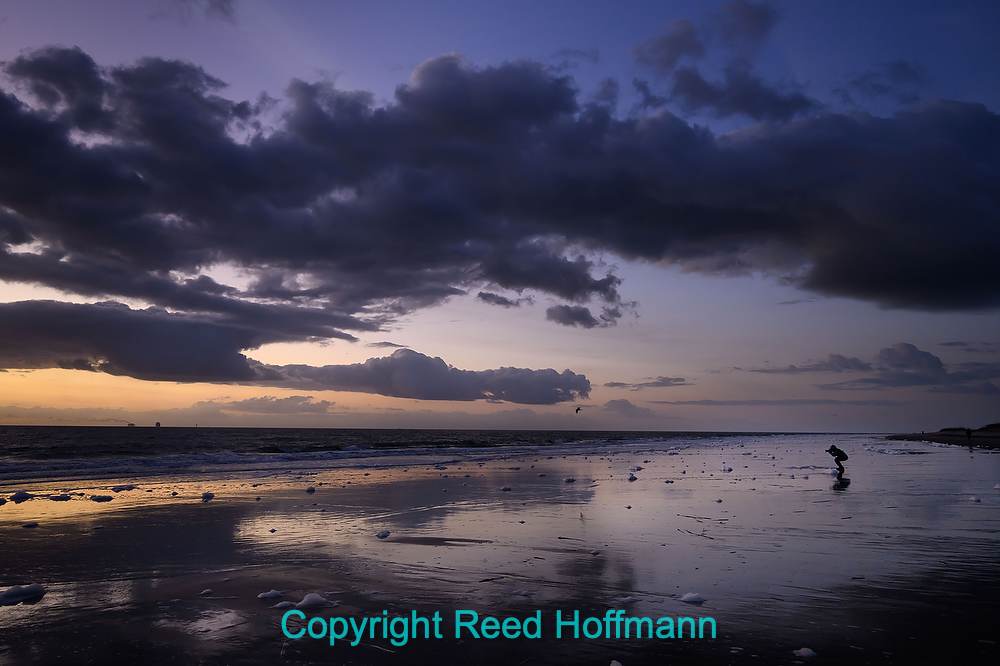
Once again, this sunrise, reflected in the wet sand at Tybee Island, would be nice as is. But having a lone photographer, crouched down making a picture, takes this picture to a whole new level. Nikon Z 8, Aperture Priority, Sunny white balance, ISO 1000, 1/40 at f/7.1 in Matrix metering, -0.3 EV, Nikkor Z 24-200mm f/4-6.3 VR lens at 24mm.
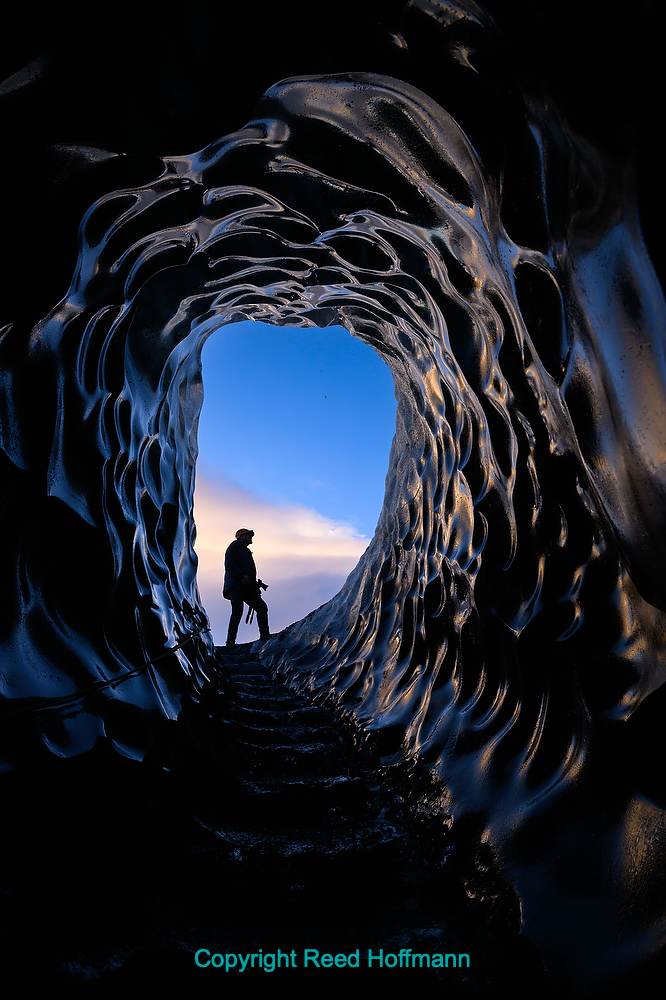
Light reflecting off the walls of this ice cave in Iceland, paired with the sky and clouds, would make a nice photo as is. But with our guide, Eniar, standing in the entrance, it’s much better. Nikon Z 8, Aperture Priority, Sunny white balance, ISO 250, 1/320 at f/5.6 in Matrix metering, -1.0 EV, Nikkor Z 14-30mm f/4 S lens at 21mm.
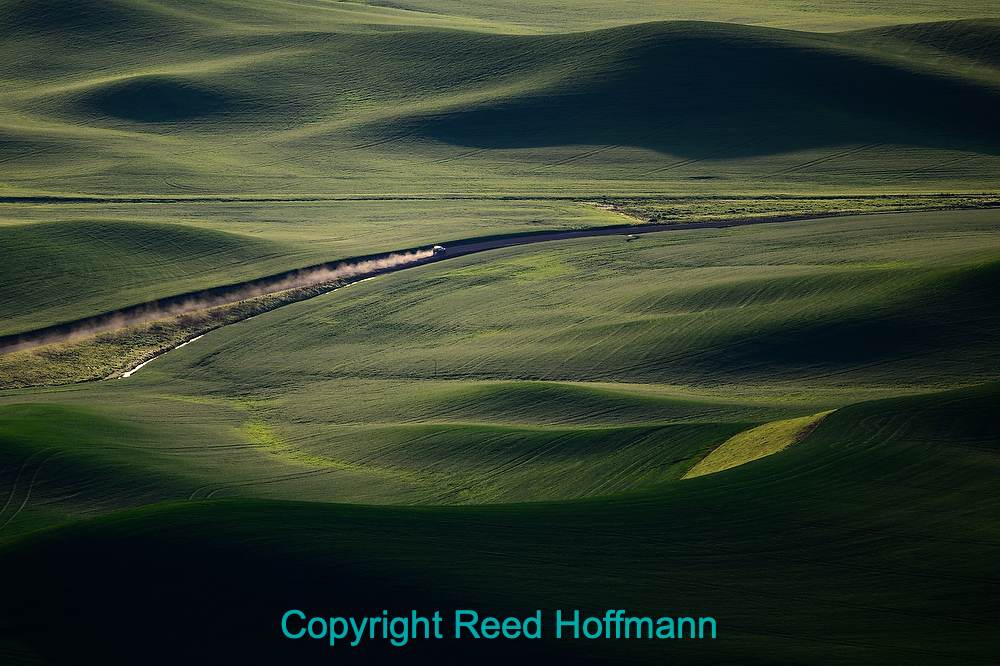
On a trip to the Palouse, atop Steptoe Butte with the last rays of sunlight slicing across the landscape below, it’s actually the single truck and narrow band of backlit dust that makes this photo stand out. Nikon Z 9, Aperture Priority, Sunny white balance, ISO 100, 1/320 at f/5.6 in Matrix metering, -0.3 EV, Nikkor VR 70-300mm f/4.5-5.6E lens at 300mm.
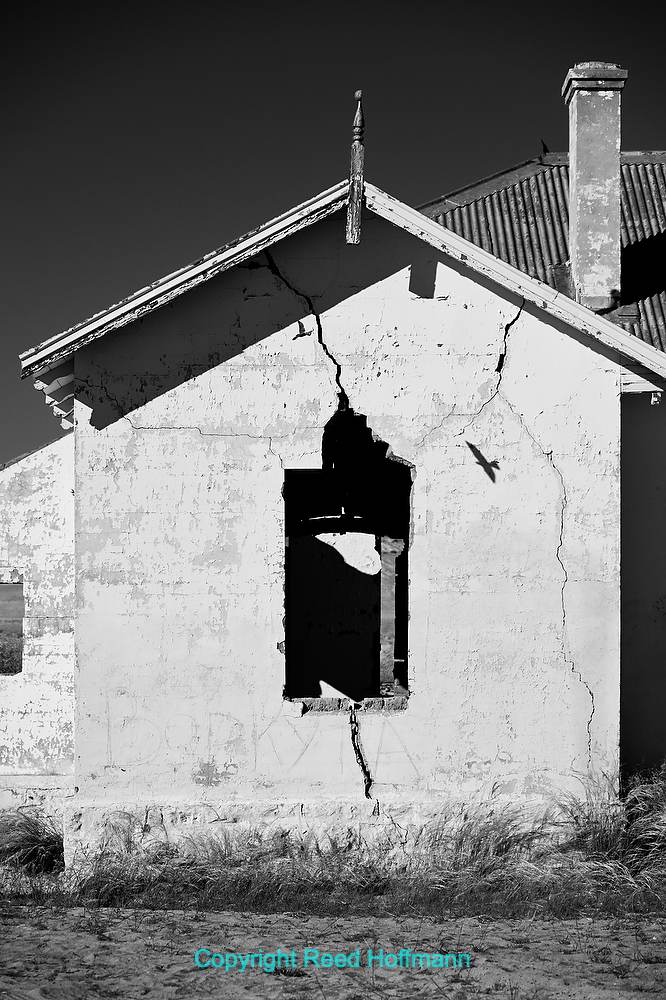
Photographing an abandoned railroad station in the Namib desert, I noticed a bird flying in and out of the eaves. That made me realize that if I could just catch a nice shadow of the bird against the wall, I’d have a photo worth keeping. You might ask, “why not just the bird?” The bird is in this shot as well (upper left), but the shadow is bigger, so stands out better. Nikon Z 8, Aperture Priority, Sunny white balance, ISO 160, 1/1250 at f/7.1 in Matrix metering, 0.0 EV, Nikkor Z 24-200mm f/4-6.3 VR lens at 115mm.
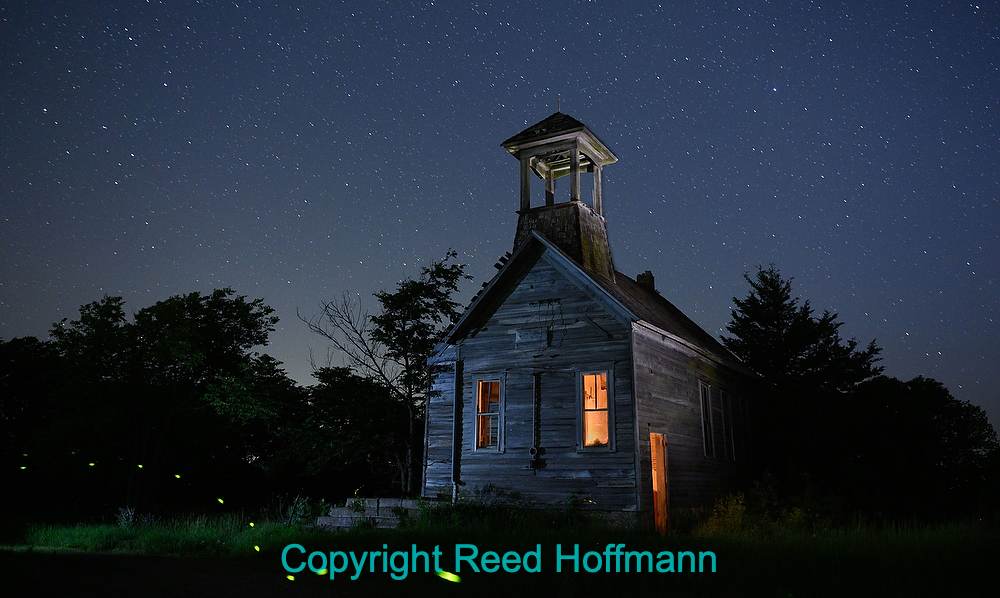
Some “Easter eggs” you can see and plan for (like the shadow of the bird, above), incorporating them into your composition. Others are just lucky moments. That’s what happened when I was making this time exposure, lighting an old Kansas schoolhouse, when a firefly meandered through. There’s simply no way to plan for that sort of thing, and for me that’s makes it all the more special! Nikon Z 6II, Manual exposure, 3800K white balance, ISO 3200, 30-seconds at f/2.8 in Matrix metering, -0.7 EV, Nikkor Z 24-70mm f/2.8 S lens at 24mm.
(If you like this story, please share it with your friends and let them know about the links on photography that I post on my business Facebook page. I’m also on Instagram and Twitter, @reedhoffmann. And if you’re curious about the workshops I teach, you can find them here. And, you can subscribe to this blog on my home page.)
Nice essay! A pro friend of mine from Asheville in true southern fashion, NC refers to the extra in an image as the “gravy”. 😁
That’s a good way to put it!