
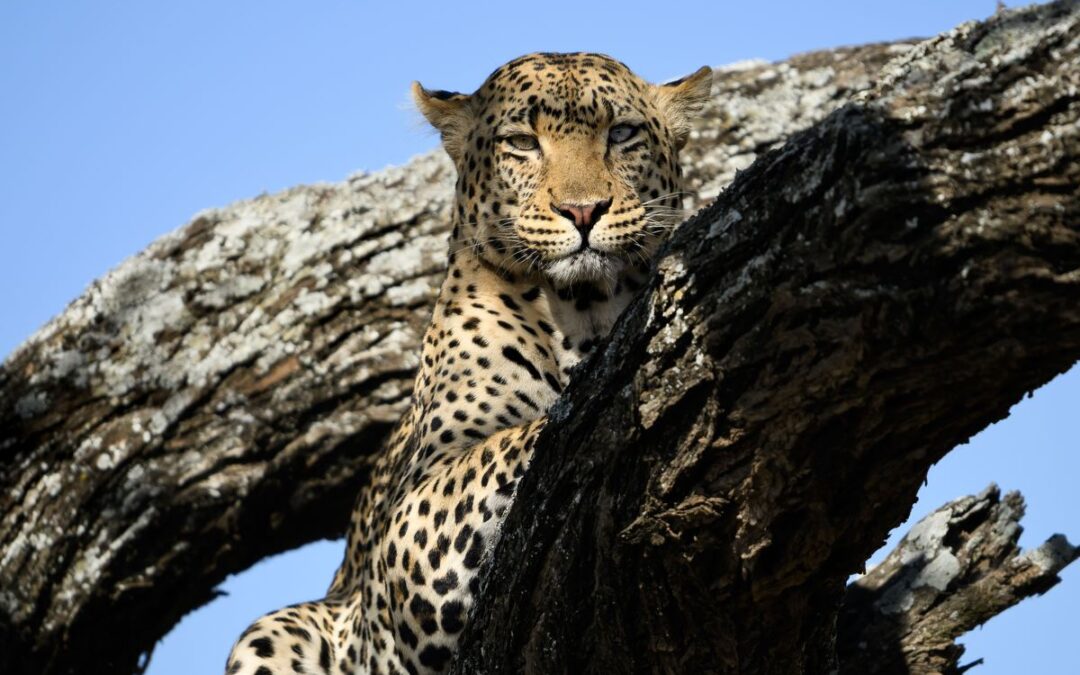
I’ve been lucky enough to lead photo safaris to several African countries, including Botswana, Namibia and South Africa. But the one I return to over and over is Tanzania. Why? If your goal is to see an incredible number of animals in the wild (not a “reserve”), then you can’t beat Tanzania and the Serengeti.
While a small part of the Serengeti sticks up into Kenya (known as the “Maasai Mara”), the rest is in Tanzania and makes up the 12,000-square-mile Serengeti National Park. When the Ngorongoro volcano exploded (technically “collapsed”) nearly 3 million years ago, the ash drifted northwest, settled, killed off the existing plant life and eventually turned the area into vast, grassy plains. That’s what makes the Serengeti so unique for wildlife, and for visitors: Those grassy plains give us the “great migration.”
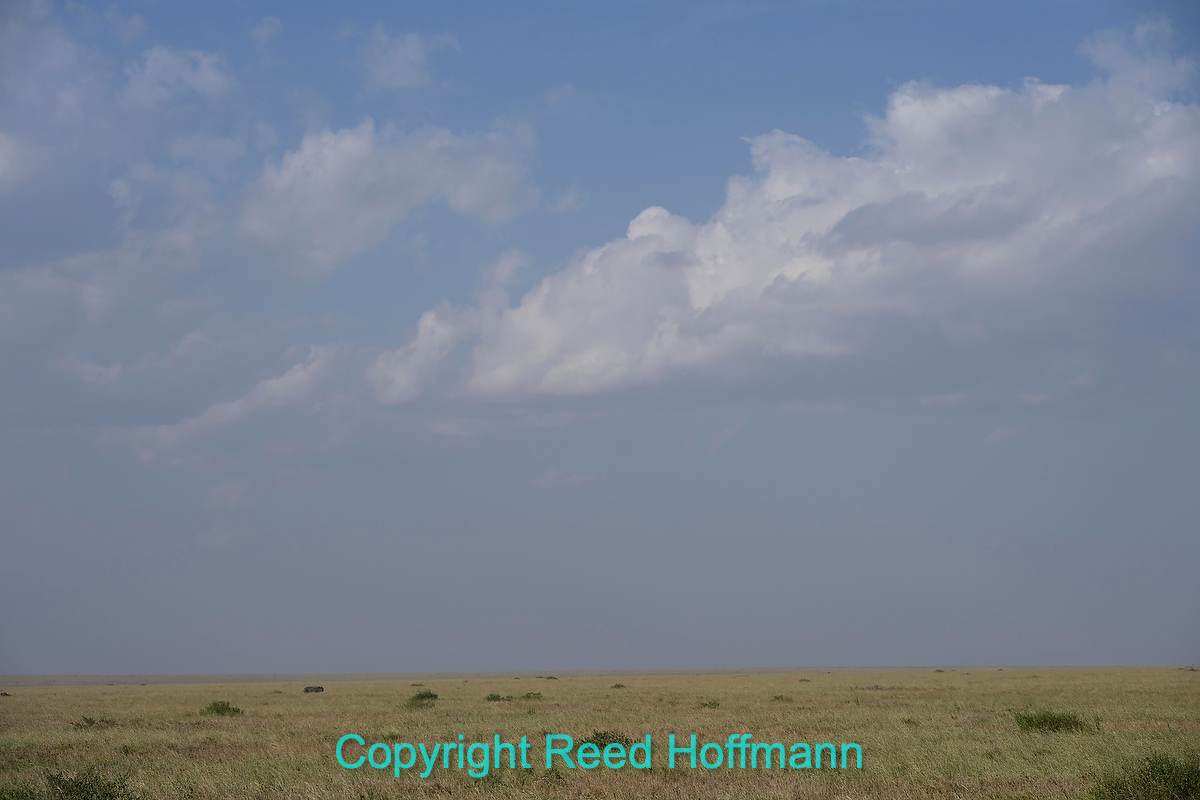
This is what most of the Serengeti looks like. Oh, and one of the those bushes, way off on the left, is actually a rhino. More on that rhino later. Nikon Z6III, Aperture Priority, Sunny white balance, ISO 100, 1/640 at f/8 in Matrix metering, +0.3 EV, Nikkor Z 24-200mm f/4-6.3 VR lens at 89mm.
Year-round, an incredible 1.7 million wildebeest are joined by about a quarter-million zebra in a clockwise trip north through Tanzania, looping up into Kenya, then back south to the lower Serengeti before continuing north once more. They’re following the rains, which cause new grass (food) to grow. It’s a fascinating partnership, as the wildebeest can smell the rain and the zebras remember the way. They also co-exist well because one group prefers the upper part of the grasses while the other prefers the lower. Not all wildebeest and zebra migrate, as there are also “resident” herds that remain in their own areas.
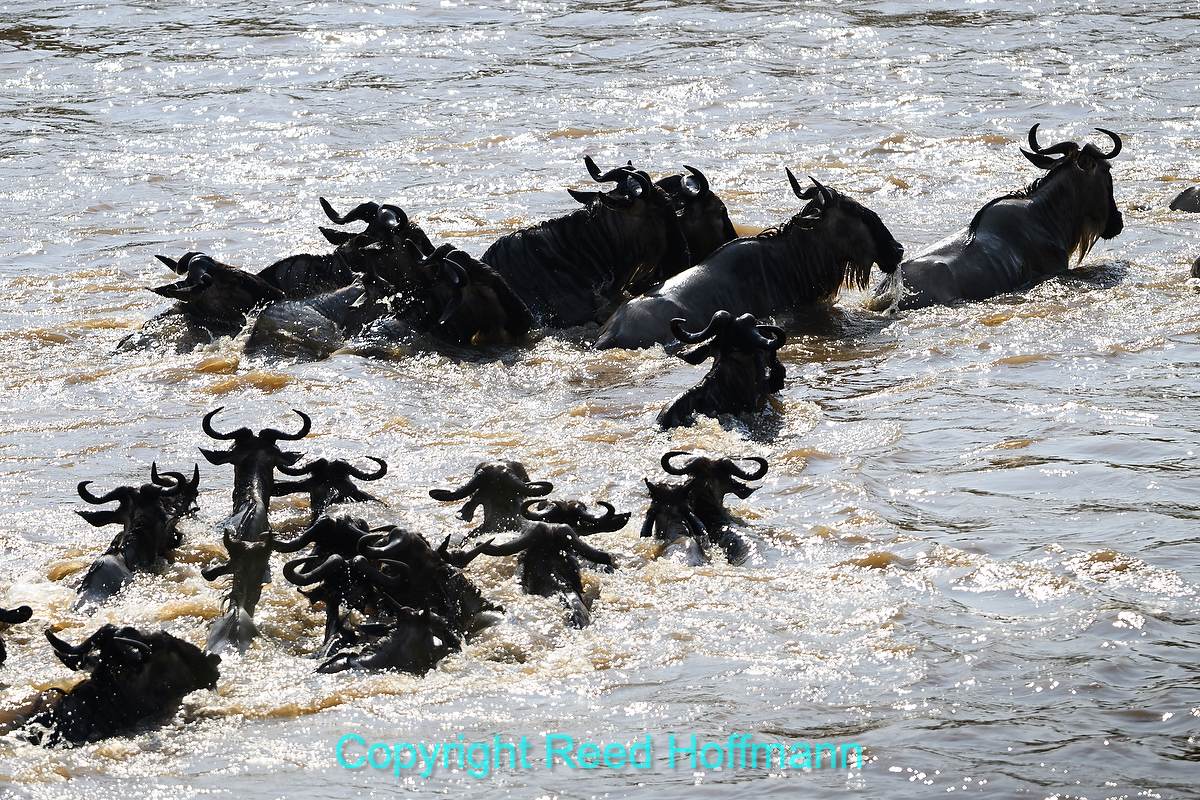
A group of wildebeest making the swim across the Mara River. Nikon Z 8, Manual exposure with Auto ISO, Sunny white balance, ISO 110, 1/1600 at f/6 in Matrix metering, -0.3 EV, Nikkor Z 180-600mm f/5.6-6.3 VR lens at 350mm.
With this many “prey” animals (including many species of gazelle), it’s not surprising that the Serengeti is also host to the most lions (and thus prides) in Africa. For most of the year the cats survive on the local prey herds, but when the migration passes through, they feast. Also on on the hunt: leopards, as well as cheetahs.
Of course, the vast grasslands support a full range of other wildlife as well. Elephants, giraffes, hippos, cape buffalo, hyena, crocodiles, various gazelle and more, as well as abundant birdlife. Sadly, the one animal you rarely see is the rhino. Poached nearly to extinction, less than 30 still roam wild in the Serengeti. In my eleven trips, I’ve seen them there only twice.
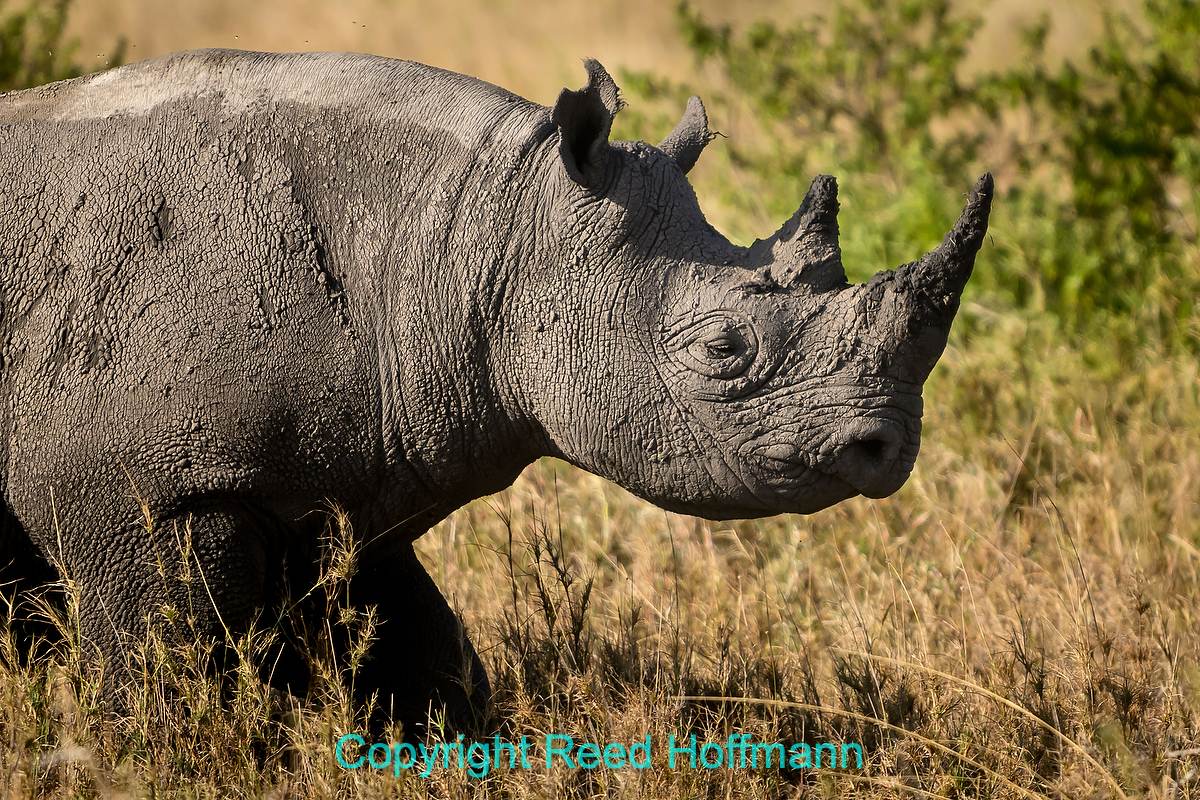
That rhino we first saw from far away appeared to be slowly headed our way. So we parked and waited. And waited some more. Eventually it got relatively close to us, and we were able to make some nice photos of one of the few rhinos living in the Serengeti. Nikon Z 8, Manual exposure with Auto ISO, Sunny white balance, ISO 800, 1/1000 at f/9 in Matrix metering, 0.0 EV, Nikkor Z 180-600mm f/5.6-6.3 VR lens with Z TC-1.4x teleconverter for 840mm.
Because of the natural protection of the hills surrounding Ngorongoro crater, and the limited space on the floor inside, it does have a few surviving rhinoceros. That’s a big reason we always visit there, as we usually see one or two (though often at distance).
And while wildlife is the big draw, it would be a mistake to visit Tanzania and not get acquainted with some of the tribes. Most Tanzanians live a modern life complete with cell phones and electricity, and their kids attend school. We see snippets of that during our drives to/from the Serengeti and occasional stops along the way. But some groups still live a mostly traditional life, like the Hadzabe (a hunter/gatherer group), Datoga and Maasai. Visits to them gives us an opportunity to meet people whose lives are far, far different from ours.
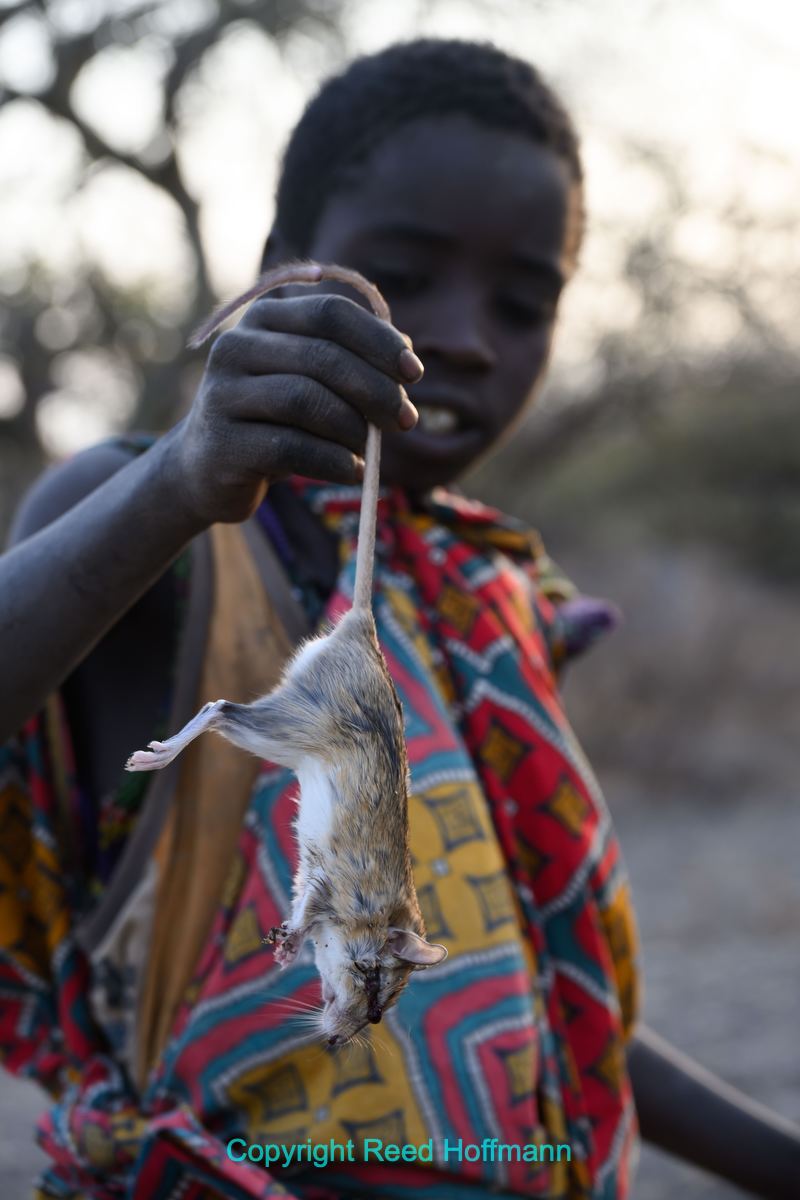
A young Hadzabe shows off a mouse he’d just shot with an arrow. A few minutes later it had been cooked and we were offered some. Tasted like, well, chicken. Nikon Z 8, Manual exposure with Auto ISO, Sunny white balance, ISO 640, 1/320 at f/6.3 in Matrix metering, 0.0 EV, Nikkor Z 24-200mm f/4-6.3 VR lens at 82mm.
Those are the reasons I return, over and over, to Tanzania. I’ve enjoyed my wildlife trips to Botswana and South Africa, and do return to Namibia (fantastical landscapes in addition to wildlife). But if you want to see lots of wildlife, the Serengeti can’t be beat. And for the twenty years I’ve been leading these trips, we’ve always had the same great lead guide, Yusuf. On a trip like this, your guide is the secret to having amazing experiences.
Here’s what we did, day by day, this past July, and what I’m planning to do once more in 2027. Let me know if you’re interested in joining!
Pre-day – Most people joining me on this trip arrive a day early, into Kilimanjaro airport (JRO), to avoid any problems that might result from flight delays. Some may choose to use that day to recover, but we also offer an optional day trip to nearby Arusha National Park. While its close proximity to the city of Arusha means you’re unlikely to see predators, there are always zebra, cape buffalo, giraffes, monkeys, baboons and plenty of birds. It’s also a great way to begin getting comfortable shooting from the trucks.
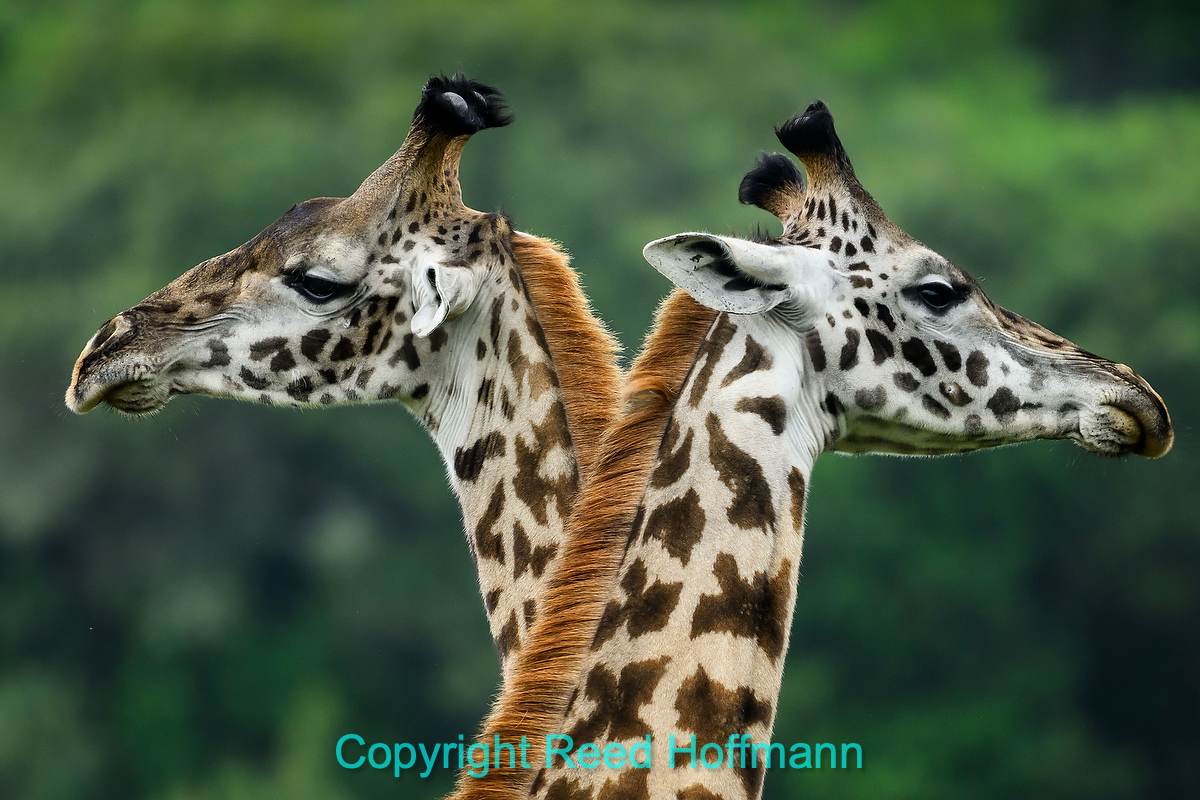
We got to watch a pair of young male giraffes “jousting,” as they try to bash each other with their horns in Arusha National Park. As adults, that’s how they’ll exert dominance over another male. Nikon Z 8, Manual exposure with Auto ISO, Sunny white balance, ISO 2800, 1/800 at f/6.3 in Matrix metering, 0.0 EV, Nikkor Z 180-600mm f/5.6-6.3 VR lens at 600mm.
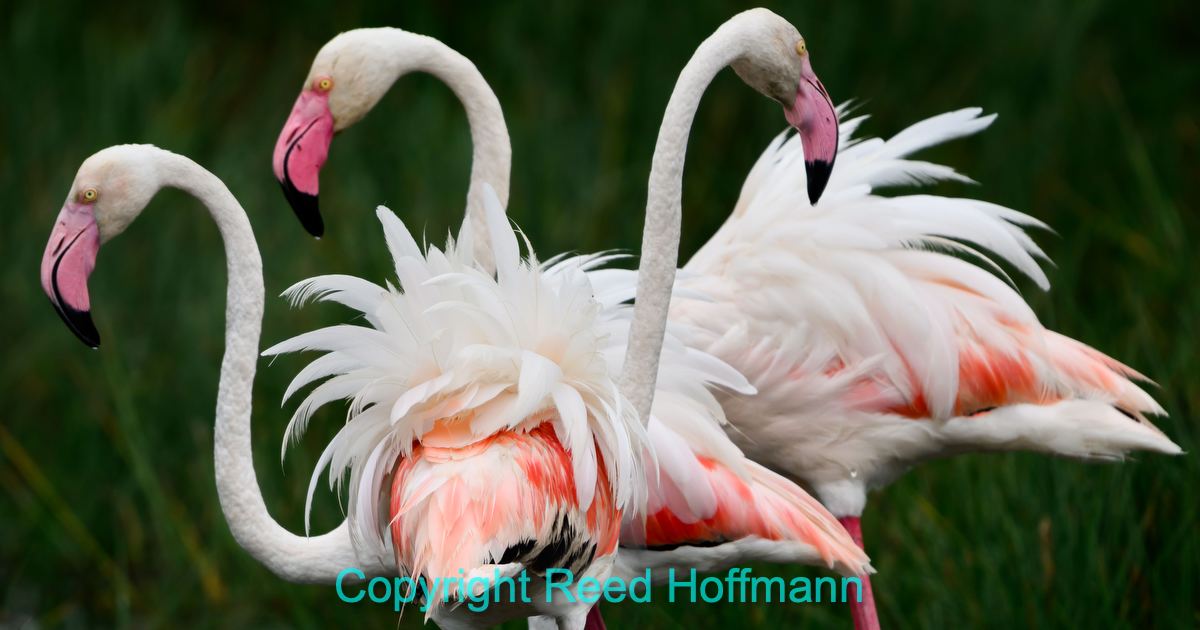
There are usually flamingoes at a lake in the park, and this trip we were able to get very close to them. Nikon Z 8, Manual exposure with Auto ISO, Sunny white balance, ISO 280, 1/800 at f/9 in Matrix metering, -0.7 EV, Nikkor Z 180-600mm f/5.6-6.3 VR lens with Z TC-1.4x teleconverter for 780mm.
Day 1 – This is the official start of the trip, and to break up the long drive to Serengeti we visit Tarangire National Park on the way. Famous for its elephants, the park also has lots of other wildlife. That night we stay at a lodge in the town of Karatu.
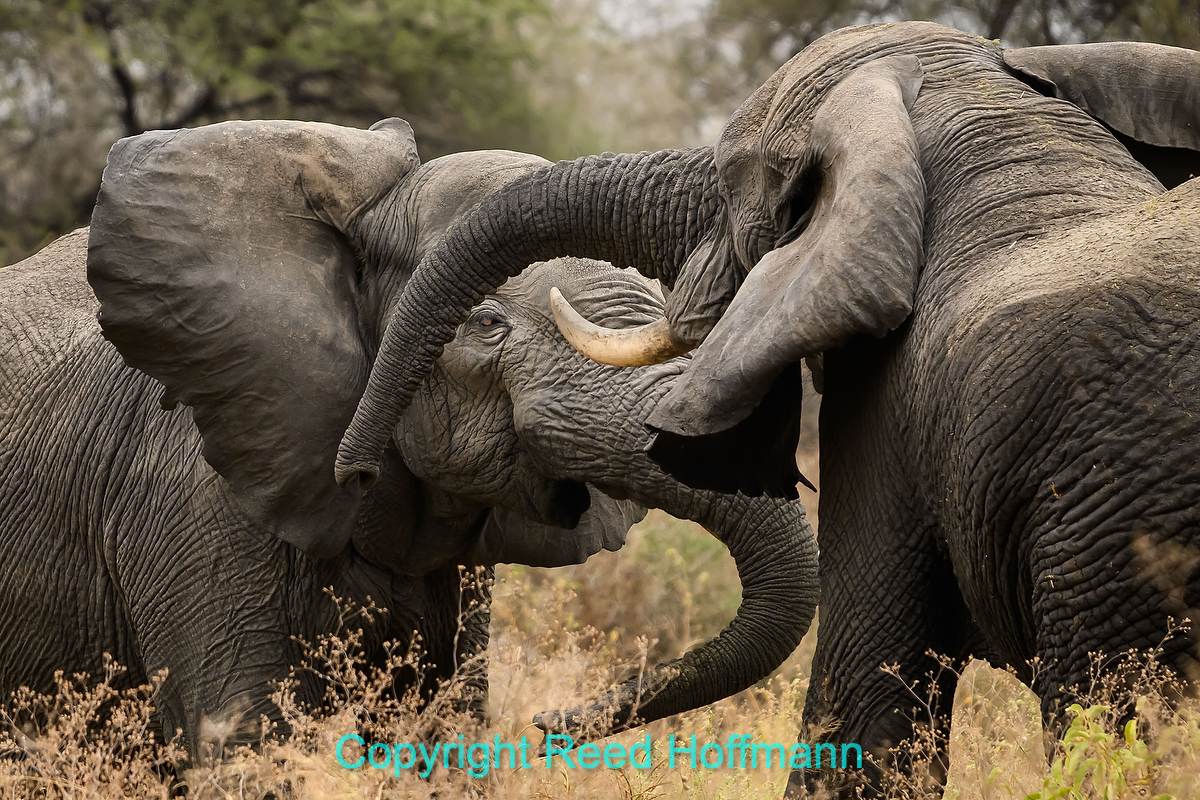
A pair of elephants play in Tarangire National Park. Because of how social they are, elephants are one of my favorite animals to photograph. Nikon Z 8, Manual exposure with Auto ISO, Cloudy white balance, ISO 1800, 1/1000 at f/6.3 in Matrix metering, 0.0 EV, Nikkor Z 180-600mm f/5.6-6.3 VR lens at 600mm.
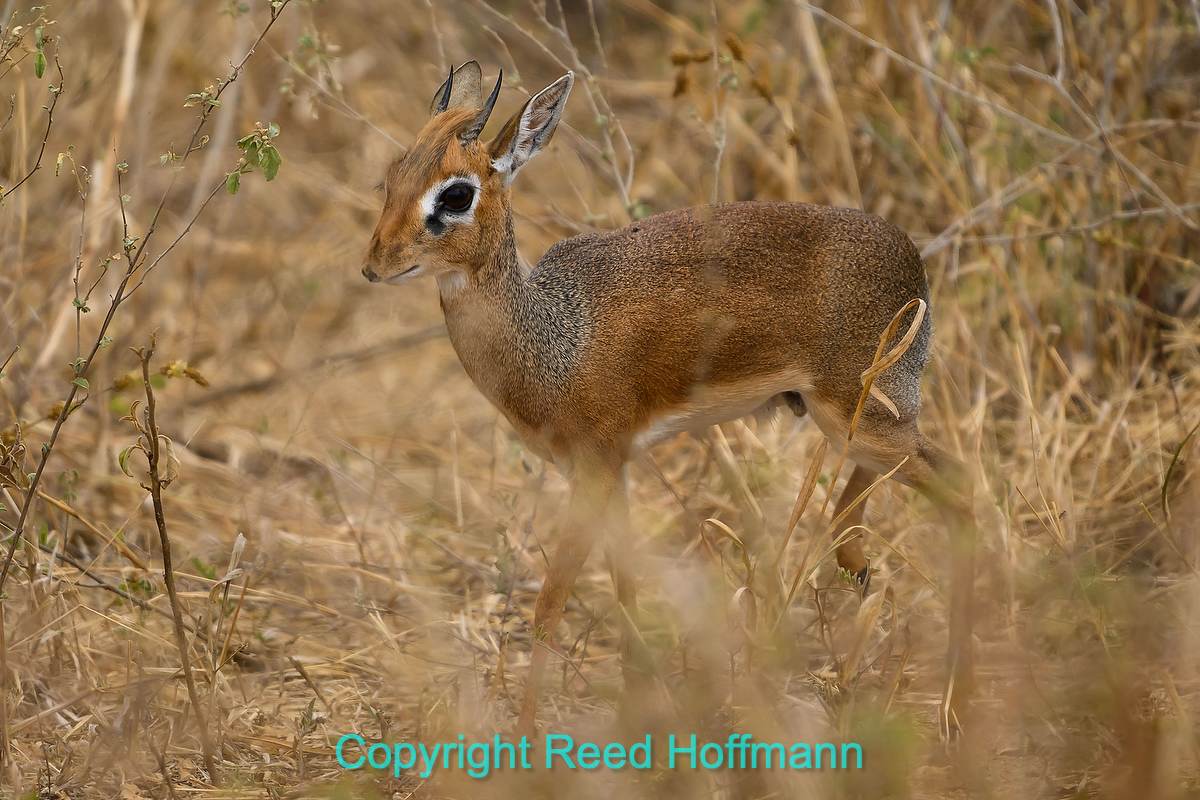
A dik-dik, the smallest of the antelope family, tries to hide by standing still. Not even 18-inches tall, they’re shockingly tiny. Nikon Z 8, Manual exposure with Auto ISO, Sunny white balance,, ISO 800, 1/800 at f/6.3 in Matrix metering, +0.3 EV, Nikkor Z 180-600mm f/5.6-6.3 VR lens at 600mm.
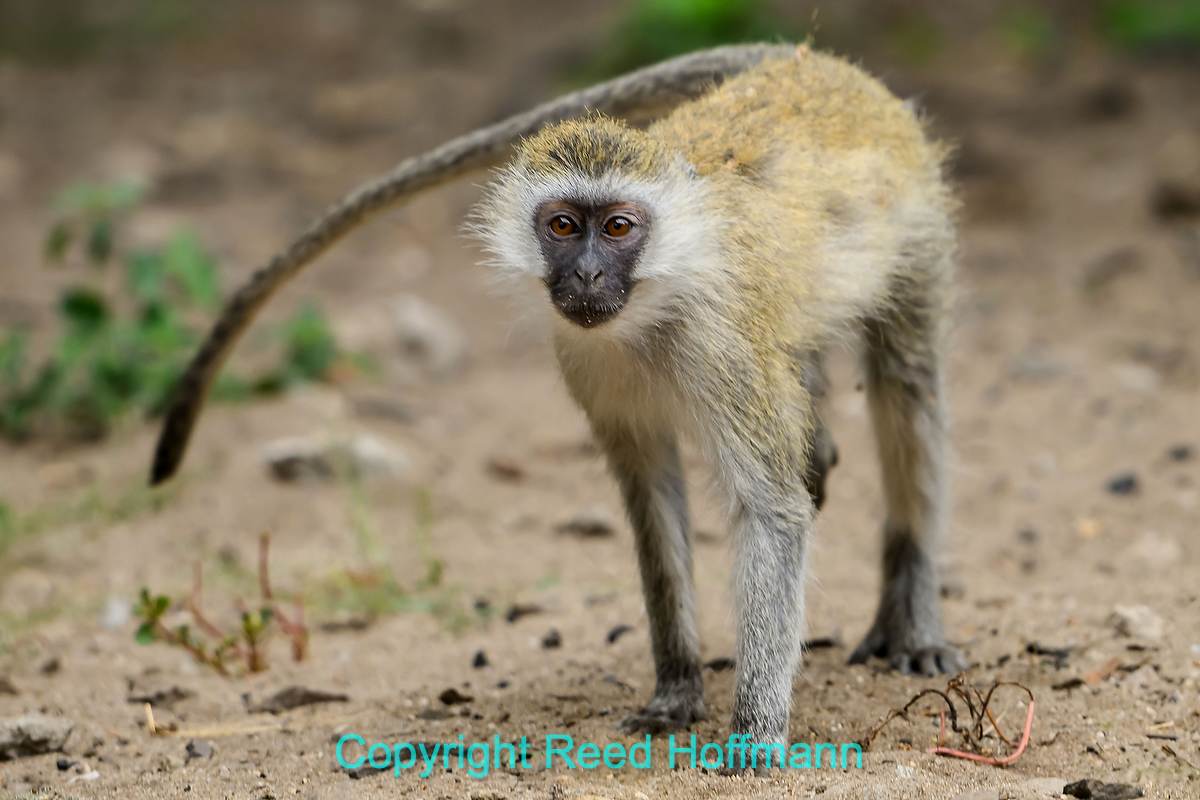
A vervet monkey visits the picnic area we stopped at in Tagangire. Nikon Z 8, Manual exposure with Auto ISO, Cloudy white balance, ISO 1250, 1/500 at f/6.3 in Matrix metering, +0.3 EV, Nikkor Z 180-600mm f/5.6-6.3 VR lens at 470mm.
Day 2 – While a Maasai visit is part of most trips to the Serengeti (and we’ll do one of those later), today offers us the opportunity to visit two of the other tribes in Tanzania. Driving west toward Lake Eyasi, we pick up a local guide who helps us find one of the groups of bushmen (Hadzabe) who live in the area. Less than 1,000 of these people continue to live a traditional hunter/gatherer lifestyle, on the move every month or so in search of fresh hunting grounds. Once we find them, our guide translates their language (heavy on “clicks”) as the chief explains how they hunt. We then have the choice of going out with a hunting party of men or following a group of women as they dig for root plants. Back at camp after the hunt, they cook what they’ve killed and offer to share it with us.
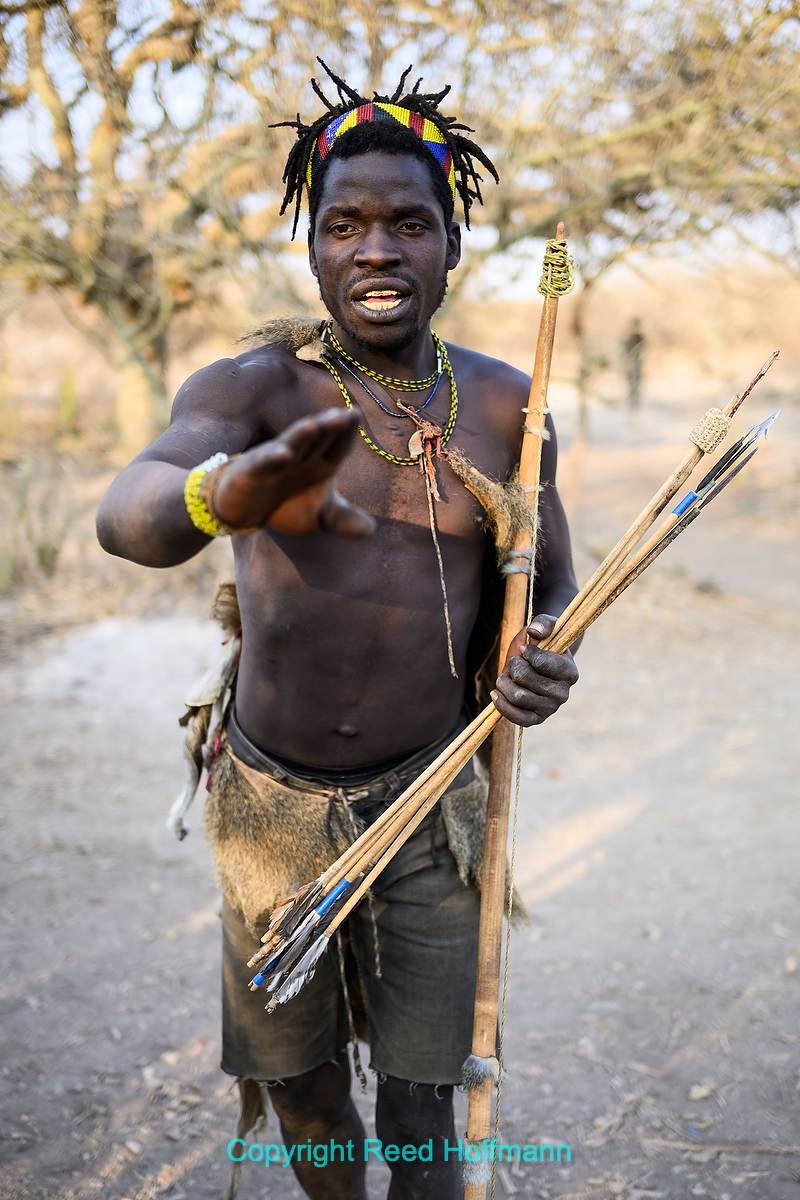
The Hadzabe chief explains (through our interpreter) why they use different types of arrowheads. It mostly comes down to the type of animal they’re hunting, and for the largest animals that means a poison-tipped arrow. Nikon Z 8, Manual exposure with Auto ISO, Sunny white balance, ISO 64, 1/320 at f/2 in Matrix metering, -0.3 EV, Nikkor Z 40mm f/2 lens at 40mm.
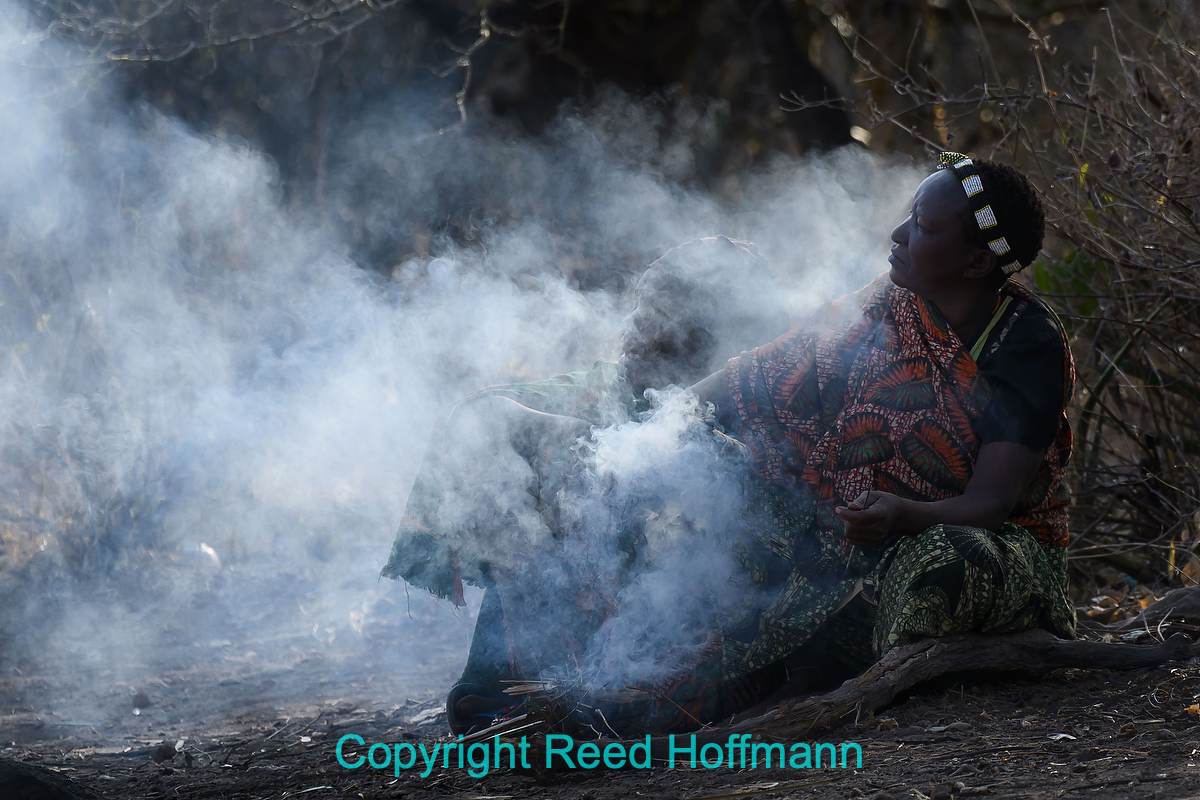
One of the Hadzambe women building a fire. Nikon Z 8, Manual exposure with Auto ISO, Sunny white balance, ISO 280, 1/400 at f/6.3 in Matrix metering, -0.3 EV, Nikkor Z 24-200mm f/4-6.3 VR lens at 200mm.
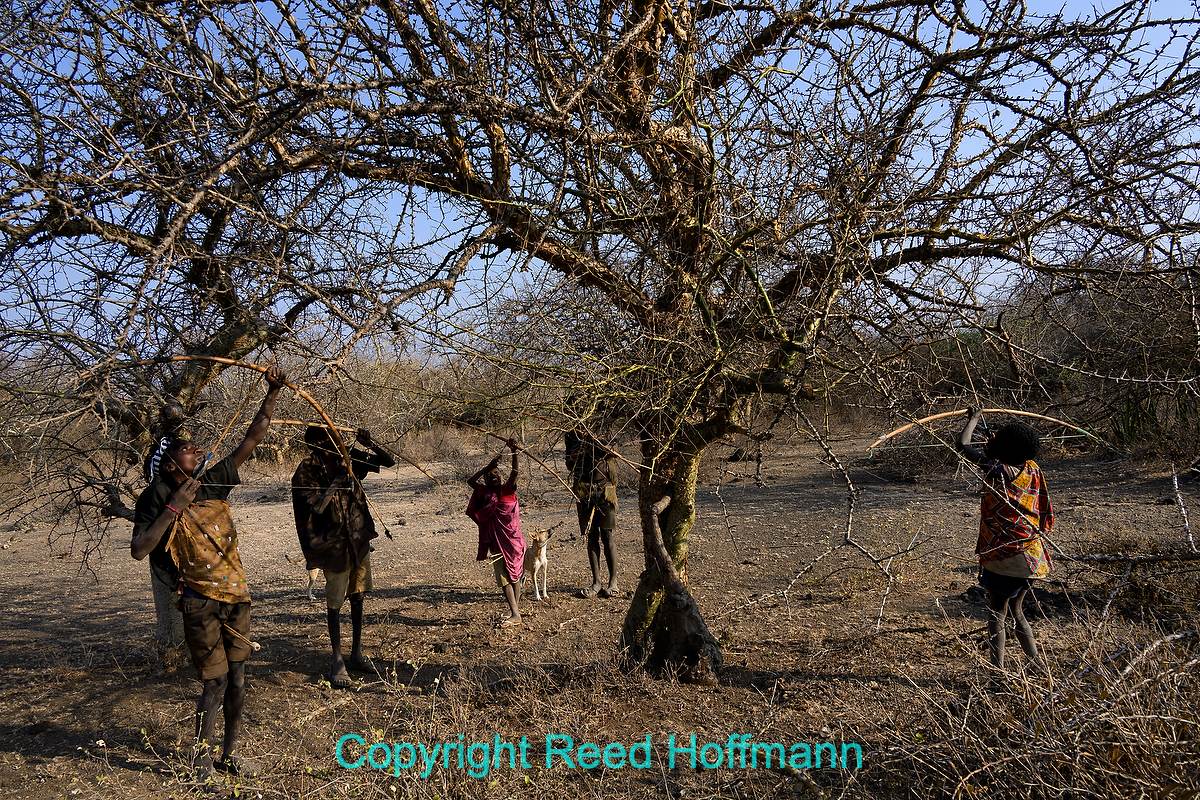
After treeing a monkey, the group of men and boys take turns trying to kill it with an arrow. Nikon Z 8, Manual exposure with Auto ISO, Sunny white balance, ISO 280, 1/500 at f/8 in Matrix metering, -0.7 EV, Nikkor Z 24-200mm f/4-6.3 VR lens at 24mm.
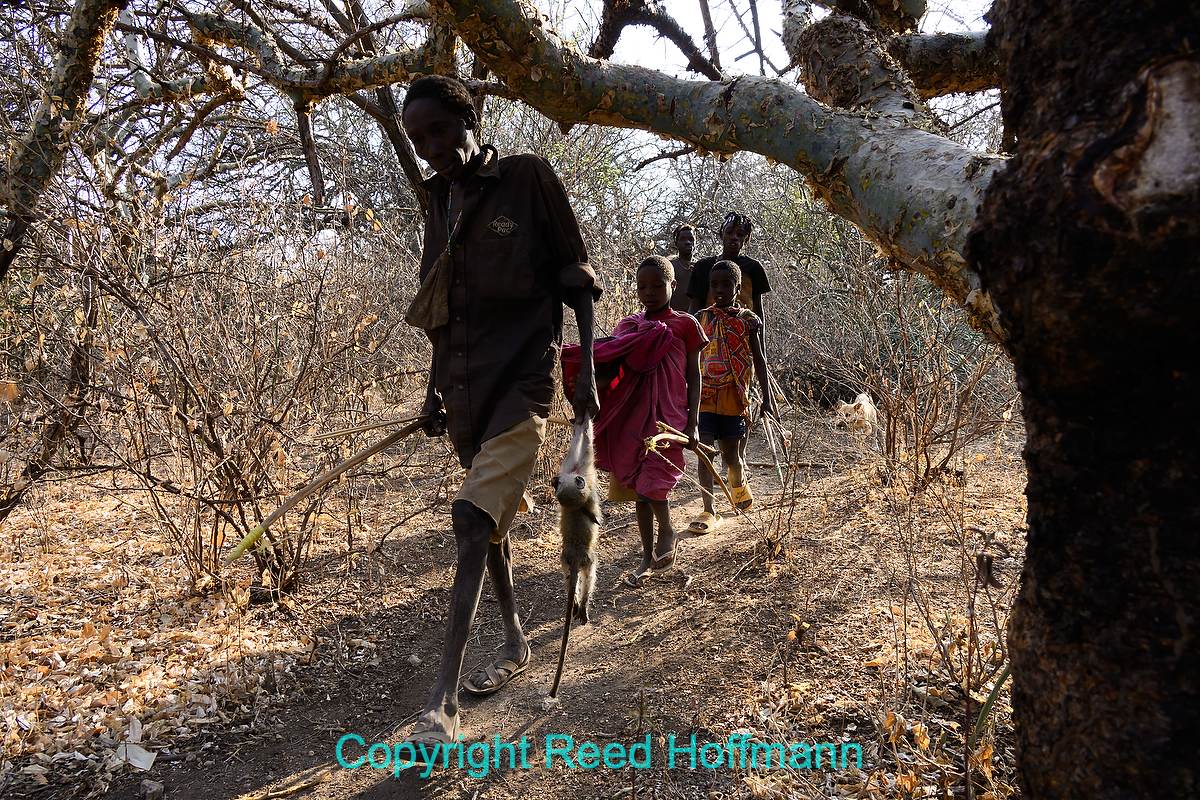
Dead monkey in hand, they return to camp to cook it. While they sometimes smoke and dry meat, it’s easier just to eat what they’ve killed as soon as possible. Nikon Z 8, Manual exposure with Auto ISO, Sunny white balance, ISO 1000, 1/400 at f/8 in Matrix metering, 0.0 EV, Nikkor Z 24-200mm f/4-6.3 VR lens at 24mm.
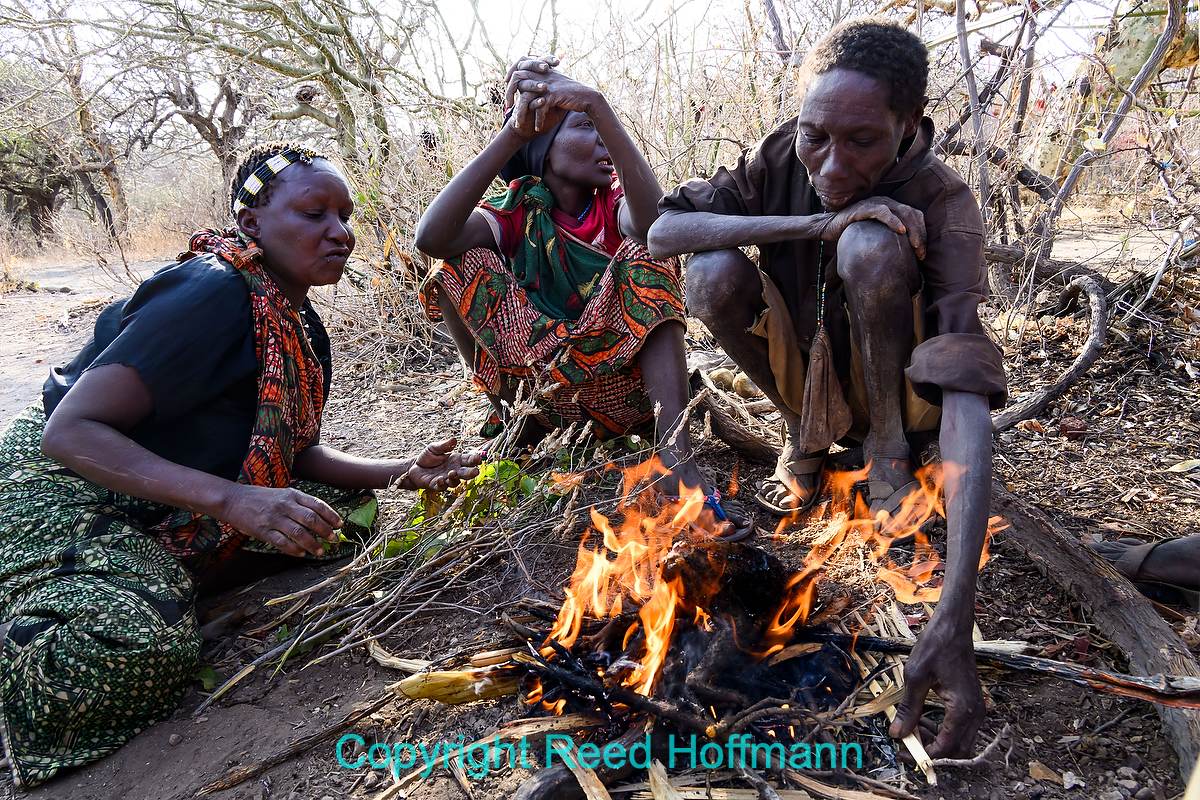
Back at camp, the monkey is put in a fire to burn off the fur and cook it. Nikon Z 8, Manual exposure with Auto ISO, Sunny white balance, 10K, ISO 1000, 1/250 at f/9 in Matrix metering, 0.0 EV, Nikkor Z 24-200mm f/4-6.3 VR lens at 24mm.
Leaving there, we visit some Datoga living in the area. In the past they were a herd-based culture (like the Maasai), but have transitioned into metalwork. Most of what they make is from melting down copper, fashioning arrowheads that they trade with the Hadzabe, and jewelry that they sell to tourists. After that we return to Karatu for one more night.
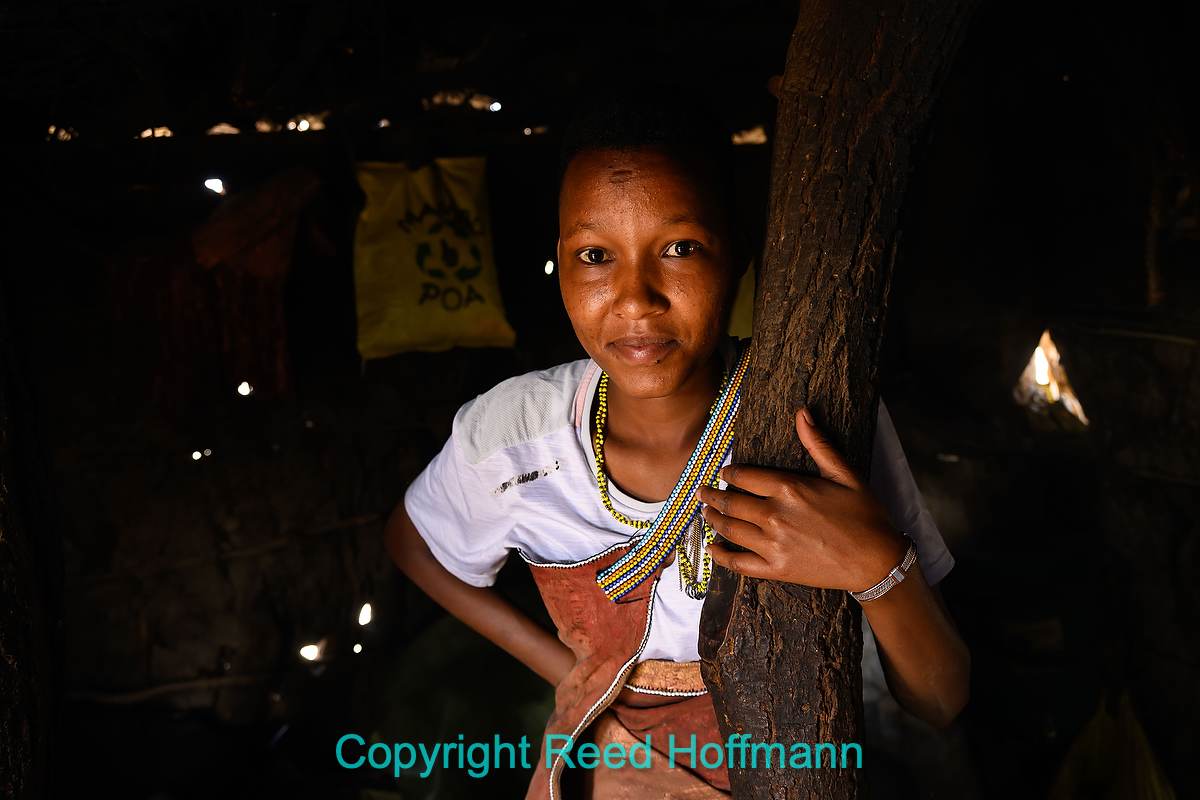
After giving us a tour of the huts they live in, a Datoga woman poses for a photo. Nikon Z 8, Manual exposure with Auto ISO, Sunny white balance, ISO 1250, 1/60 at f/4.5 in Matrix metering, -1.0 EV, Nikkor Z 24-200mm f/4-6.3 VR lens at 31mm.
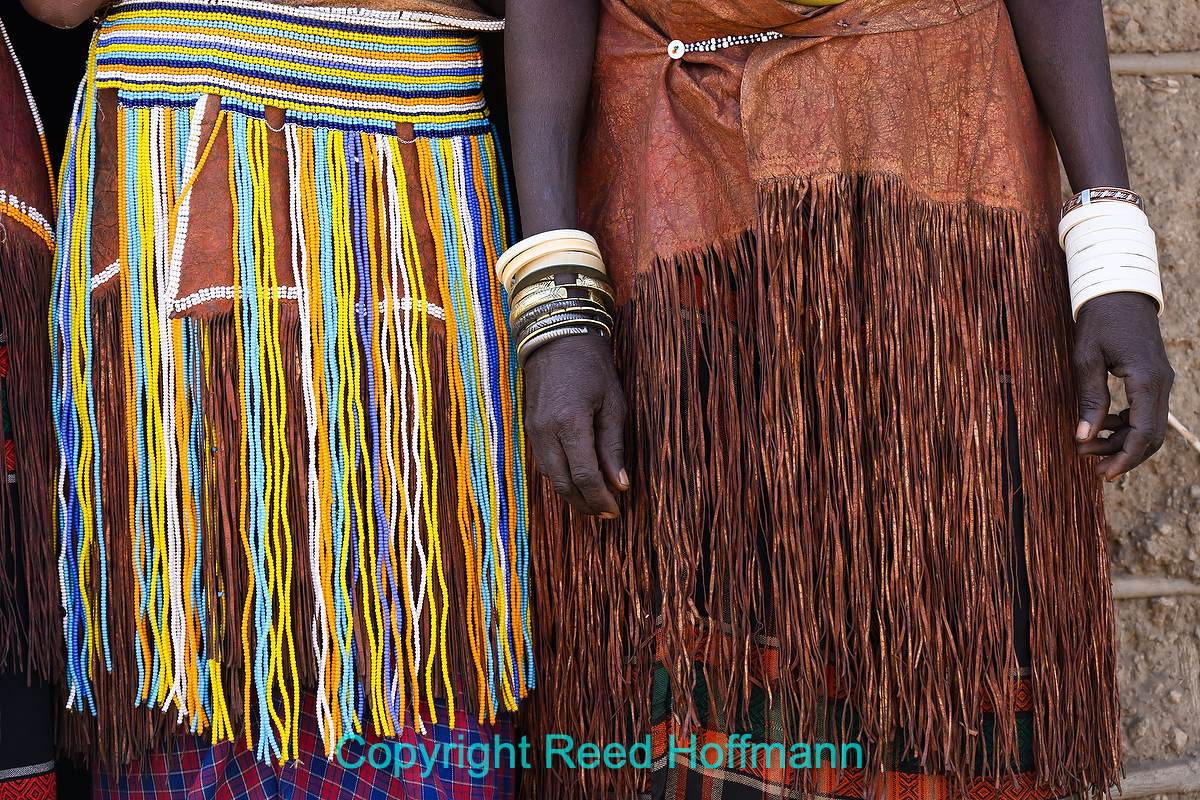
The women wear intricately beaded, or leather, skirts, along with the jewelry they make. Nikon Z 8, Manual exposure with Auto ISO, Sunny white balance, ISO 250, 1/160 at f/6.3 in Matrix metering, +0.3 EV, Nikkor Z 24-200mm f/4-6.3 VR lens at 120mm.
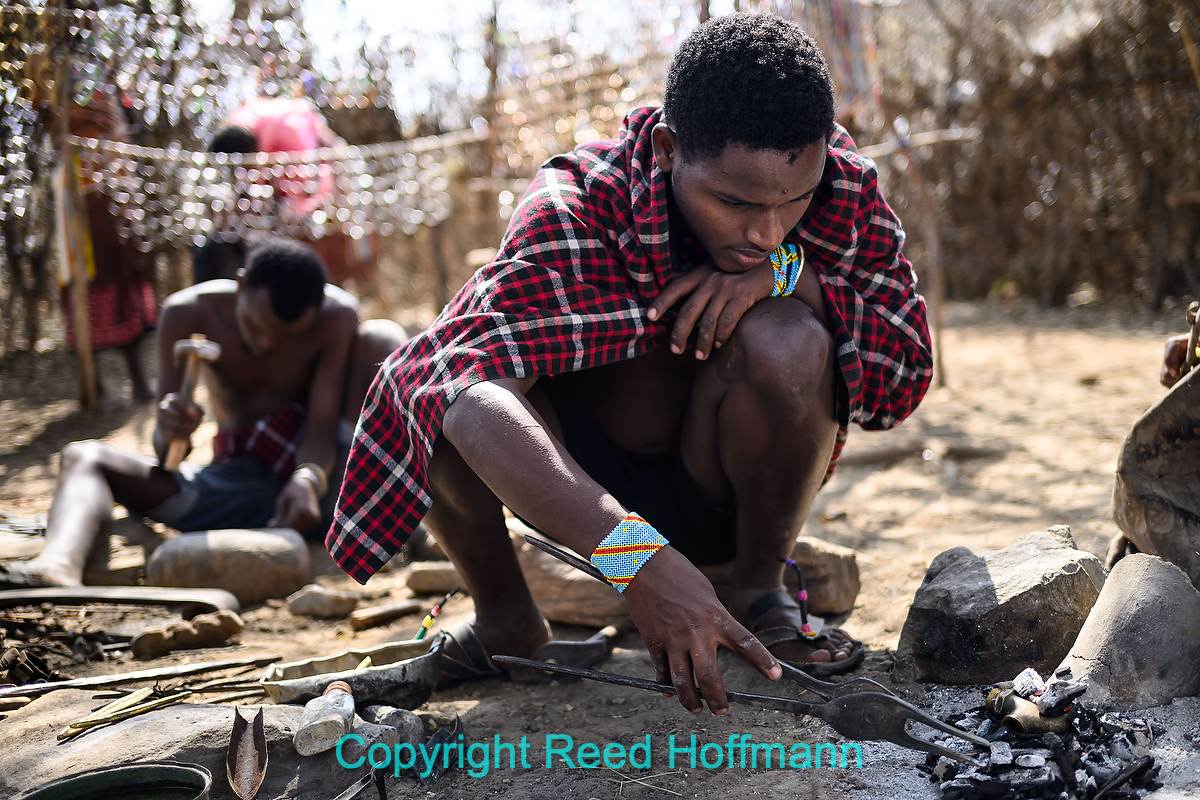
We watched Datoga men melt copper and then fashion it into jewelry and arrowheads. Nikon Z 8, Manual exposure with Auto ISO, Sunny white balance, ISO 90, 1/320 at f/2 in Matrix metering, +0.7 EV, Nikkor Z 40mm f/2 lens at 40mm.
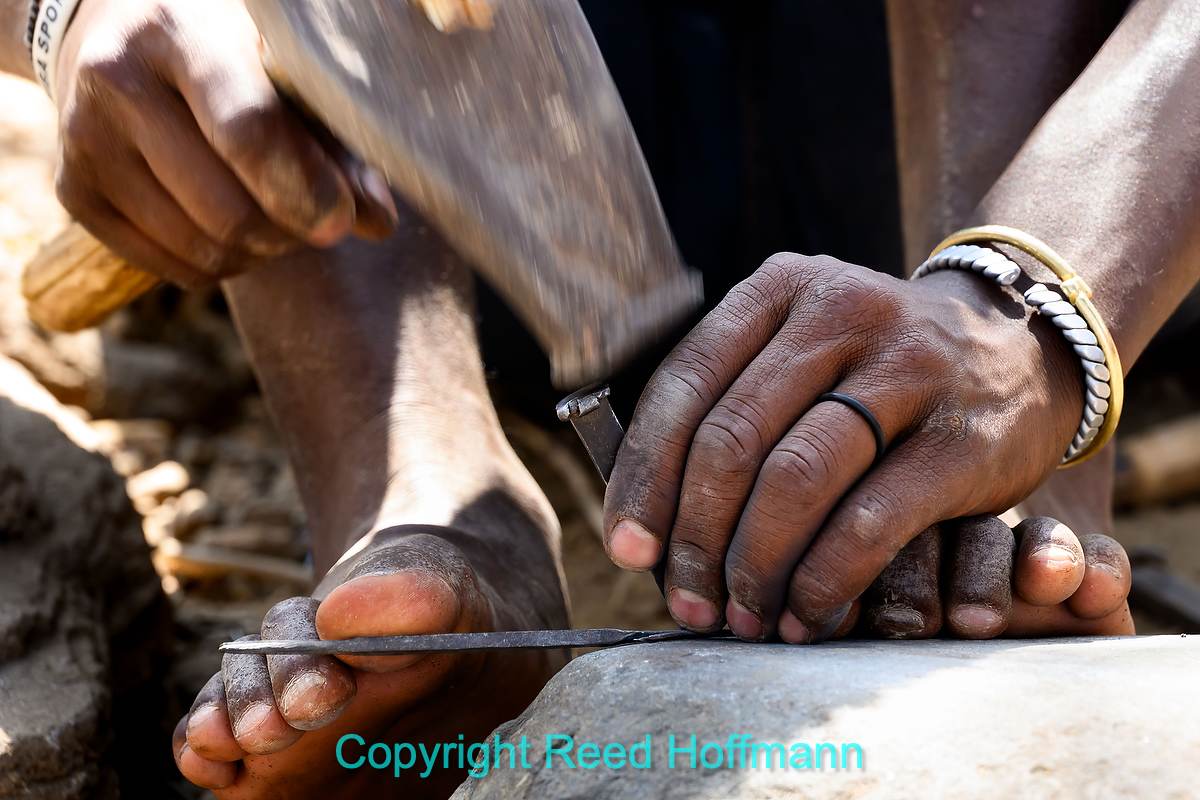
Using his feet to hold it in place, one of the men fashions barbs in the side of an arrowhead, to prevent it from falling out of an animal once shot. Nikon Z 8, Manual exposure with Auto ISO, Sunny white balance, ISO 2200, 1/200 at f/9 in Matrix metering, +0.3 EV, Nikkor Z 24-200mm f/4-6.3 VR lens at 200mm.
Day 3 – Now we’re back on the road, working our way into Serengeti National Park. The park is tightly regulated, and you can only enter with a licensed guide. Those regulations help maintain the health and welfare of the animals. While there are a few small areas where you can pay an extra fee to go off-road, it’s mostly illegal for trucks to leave the tracks and chase animals. It’s also illegal to exit the trucks, except in certain areas with picnic tables and bathrooms. That’s why it’s so important to have a guide who understands what photographers need. Positioning the truck for the best photos is a true test of their skills.
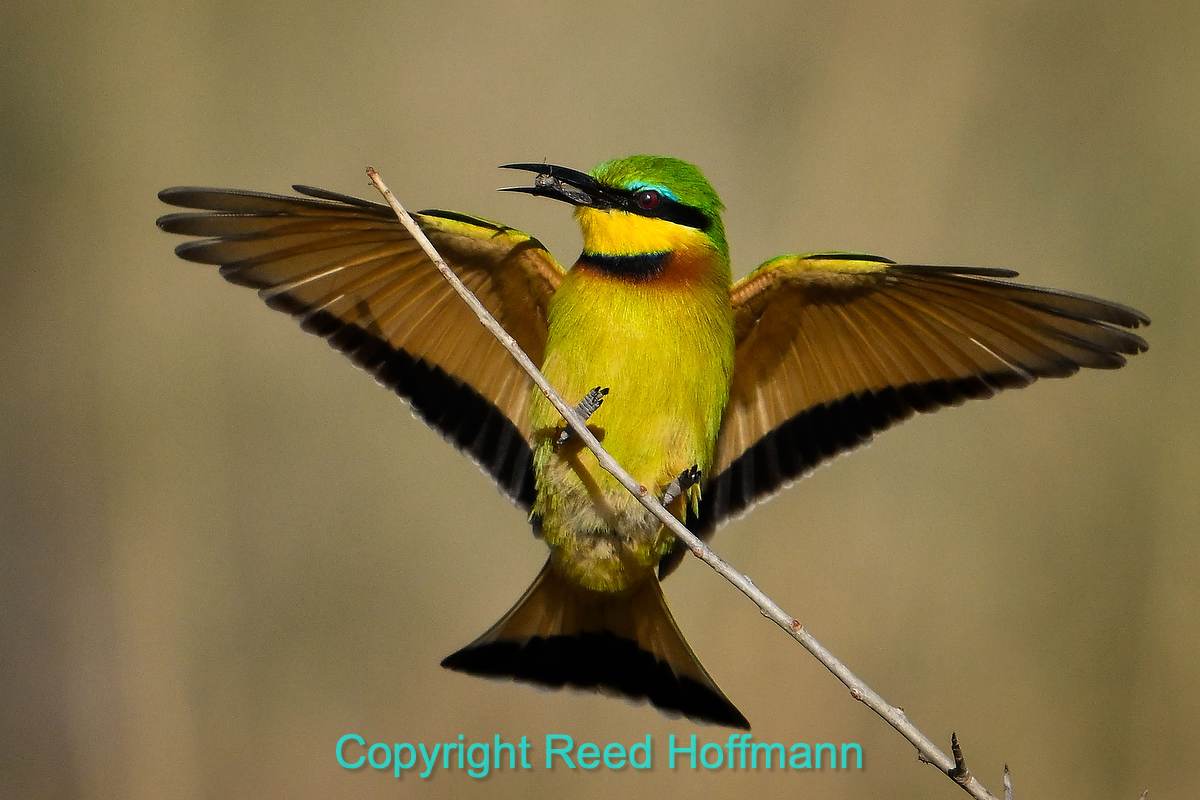
A bee-eater lands with a bug it just caught for breakfast. These birds are tiny, so while driving, our guides are on the lookout for ones near the road, in good light, like this one. Nikon Z 8, Manual exposure with Auto ISO, Sunny white balance, ISO 900, 1/5000 at f/6.3 in Matrix metering, 0.0 EV, Nikkor Z 180-600mm f/5.6-6.3 VR lens at 600mm.
Days 4 through 6 – We spend the next six days in Serengeti National Park. First we drive up to the Mara River for two nights, and use the days looking for wildebeest preparing to cross. That crossing, north into Kenya and then returning back to Tanzania, is the most dangerous part of the animals’ migration. While there’s always a risk of being taken by a crocodile, the biggest danger is drowning, as thousands of animals leap into the river, swim across and then struggle to get up the other bank. They can drown because of a broken leg, or just from the crush of bodies. As sad as that is, we see it happen a few times each day. After two nights at a small camp near the Mara River, we return to the central Serengeti for the rest of our time.
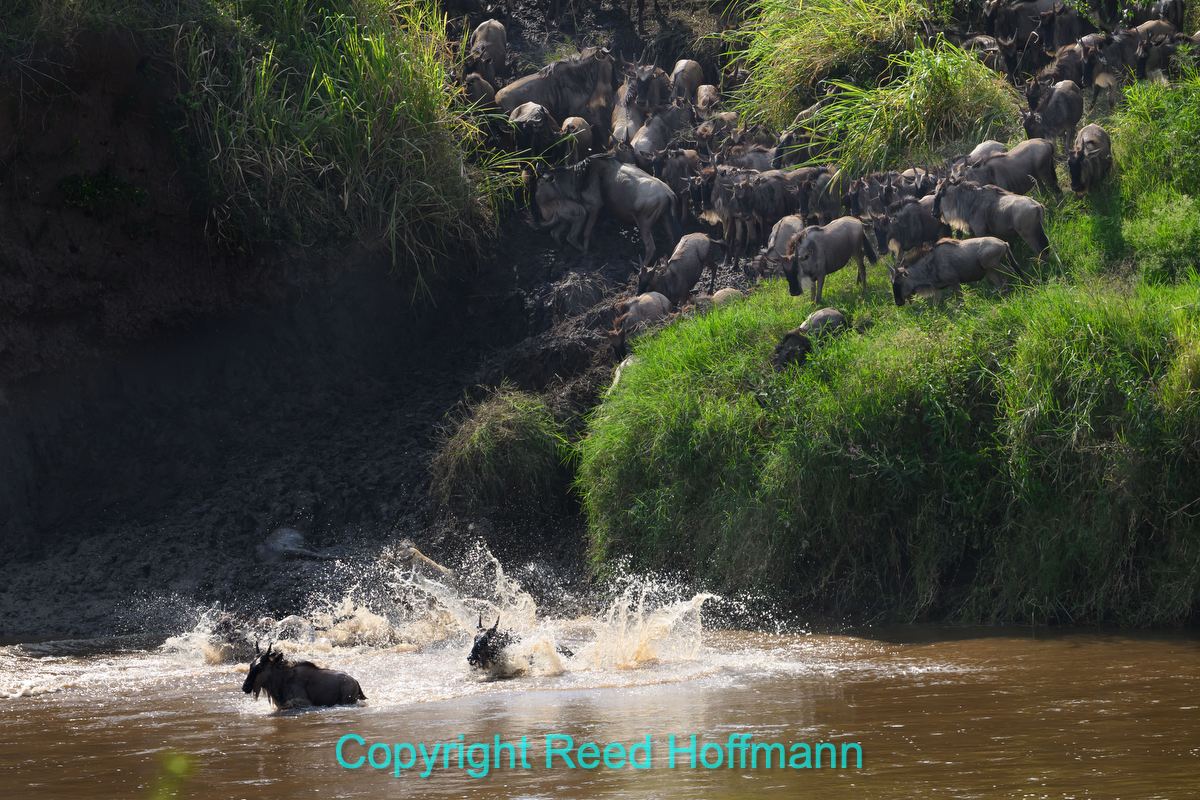
Wildebeest jump into the Mara River to cross. Nikon Z 8, Manual exposure with Auto ISO, Sunny white balance, ISO 800, 1/2000 at f/5.6 in Matrix metering, -0.7 EV, Nikkor Z 180-600mm f/5.6-6.3 VR lens at 270mm.
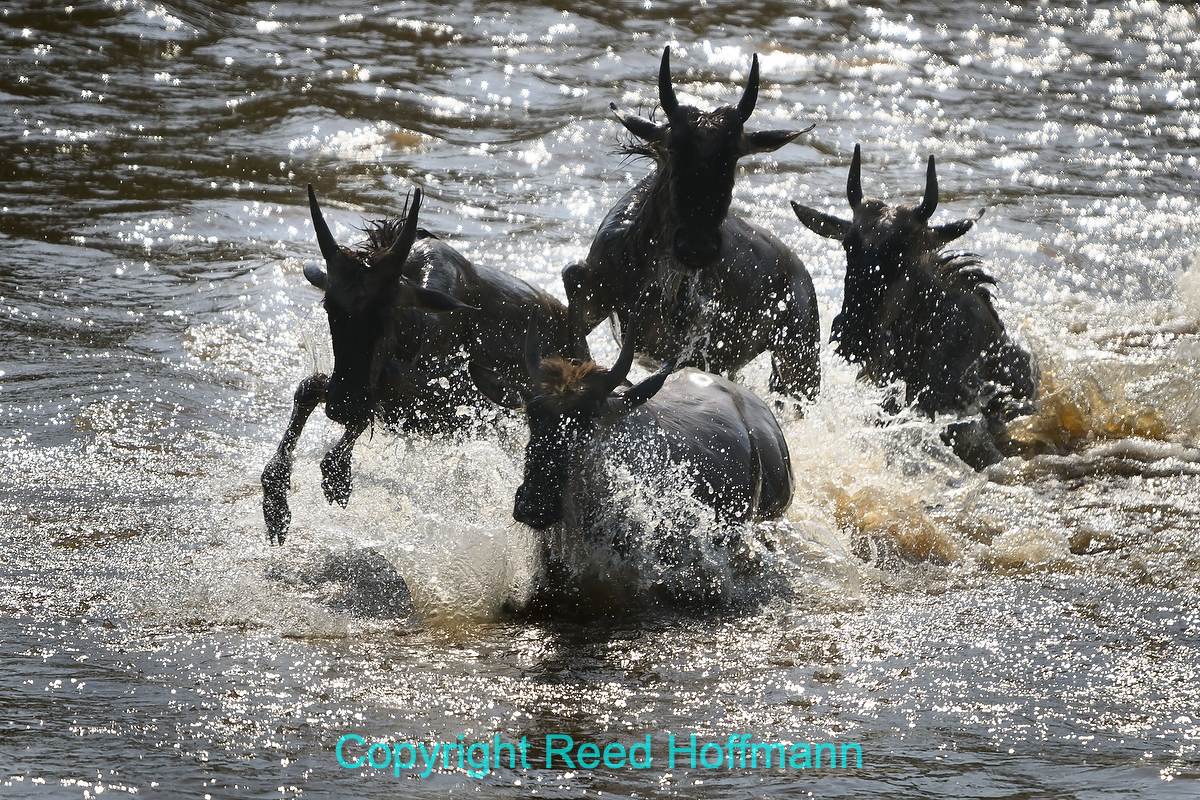
Fearful of crocodiles and anxious to get to the other side, they make a mad dash for the shore. Nikon Z 8, Manual exposure with Auto ISO, Sunny white balance, ISO 250, 1/2500 at f/6.3 in Matrix metering, -0.3 EV, Nikkor Z 180-600mm f/5.6-6.3 VR lens at 600mm.
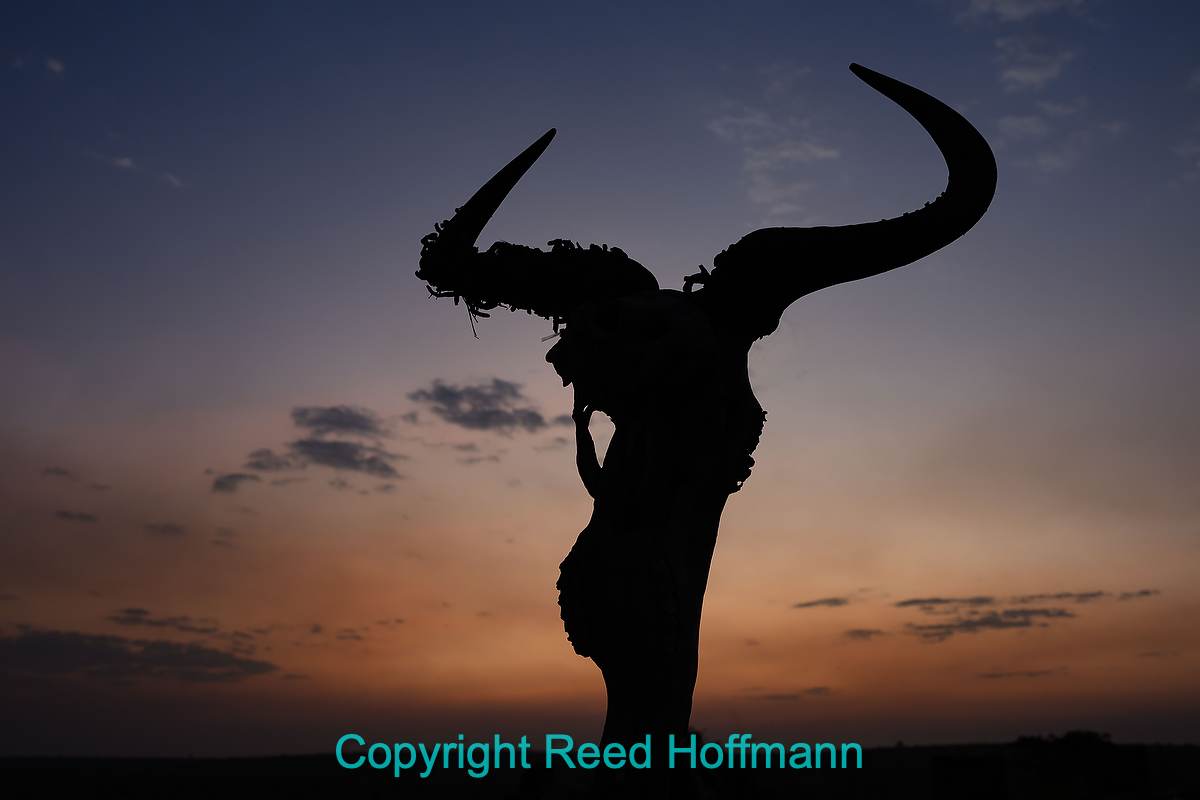
Twenty percent of the wildebeest in the migration don’t make it, and reminders of that are everywhere. This skull was mounted on a post at the parking area of our camp. Nikon Z6III, Aperture Priority, Sunny white balance, ISO 320, 1/30 at f/8 in Matrix metering, -1.0 EV, Nikkor = Z 24-200mm f/4-6.3 VR lens at 29mm.
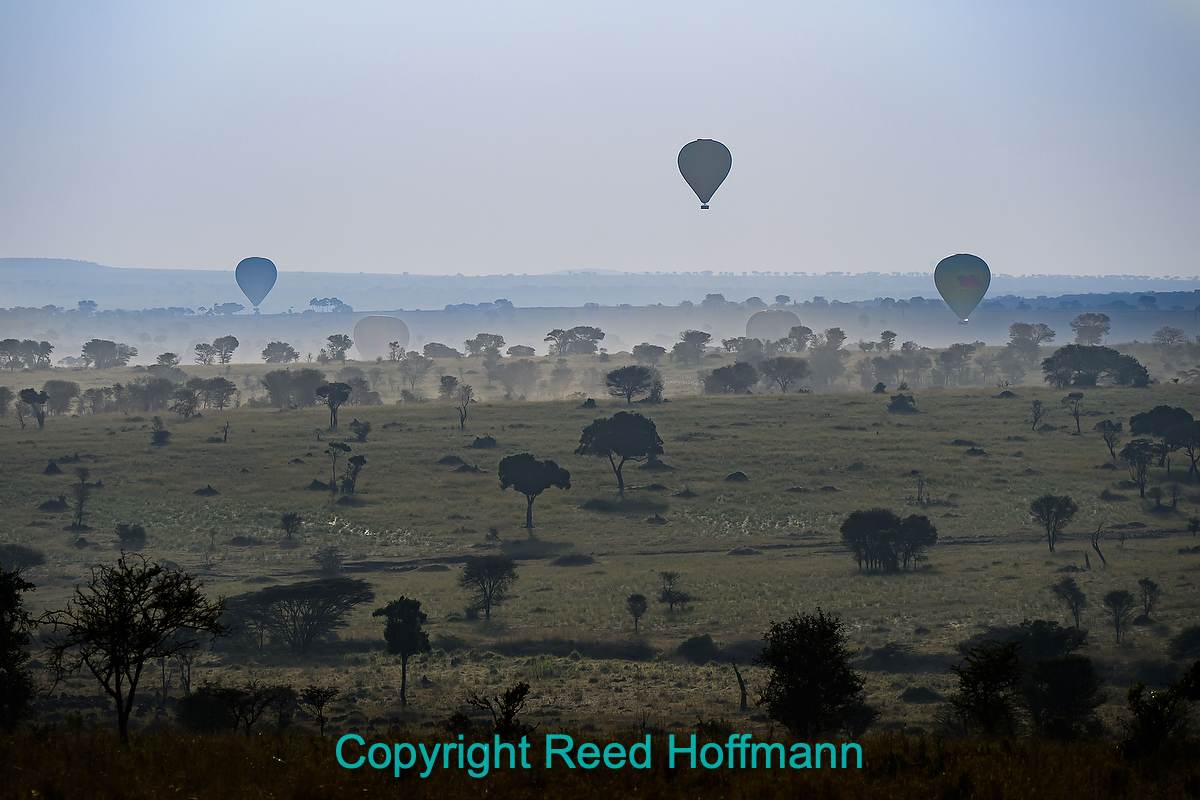
Sightseeing alloons rise from the savanna near the river at sunrise. Nikon Z6III, Manual exposure with Auto ISO, Sunny white balance, ISO 160, 1/2000 at f/7.1 in Matrix metering, 0.0 EV, Nikkor Z 24-200mm f/4-6.3 VR lens at 200mm.
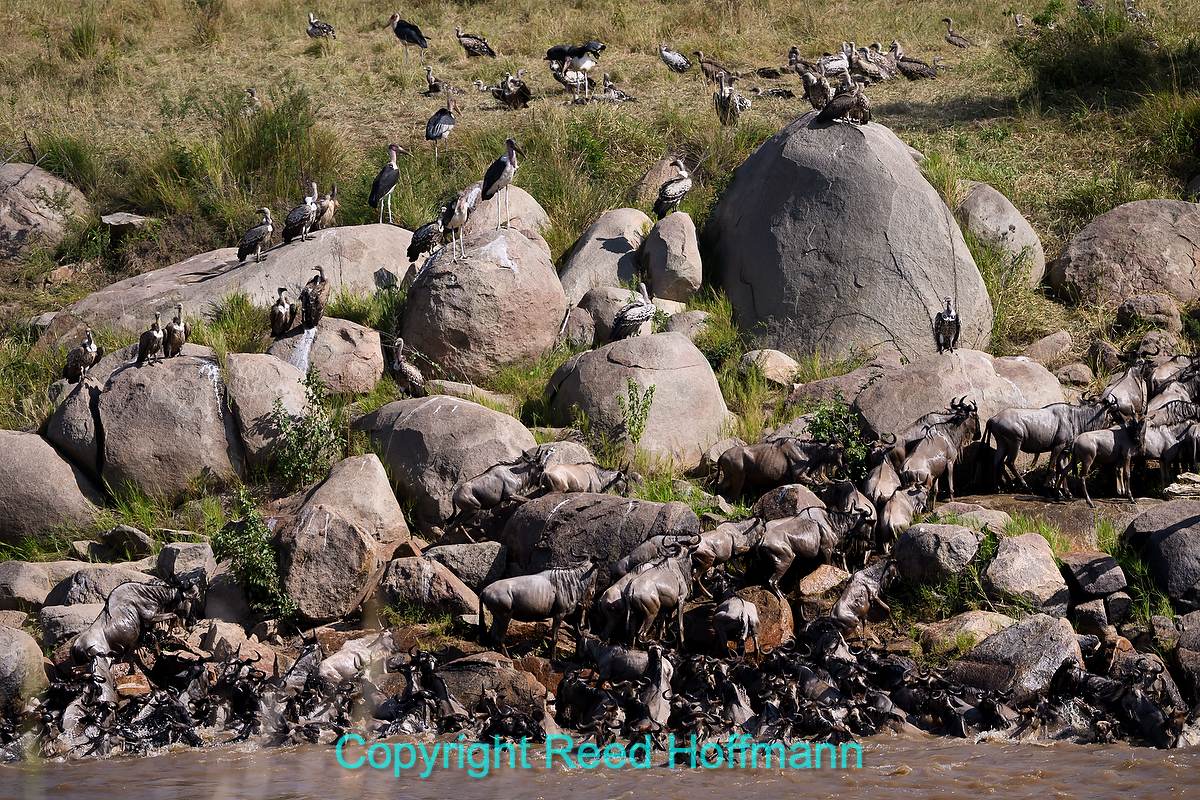
Dozens of vultures watch, and wait, as the wildebeest cross the Mara River. Nikon Z 8, Manual exposure with Auto ISO, Sunny white balance, ISO 500, 1/2000 at f/6.3 in Matrix metering, -0.3 EV, Nikkor Z 180-600mm f/5.6-6.3 VR lens at 220mm.
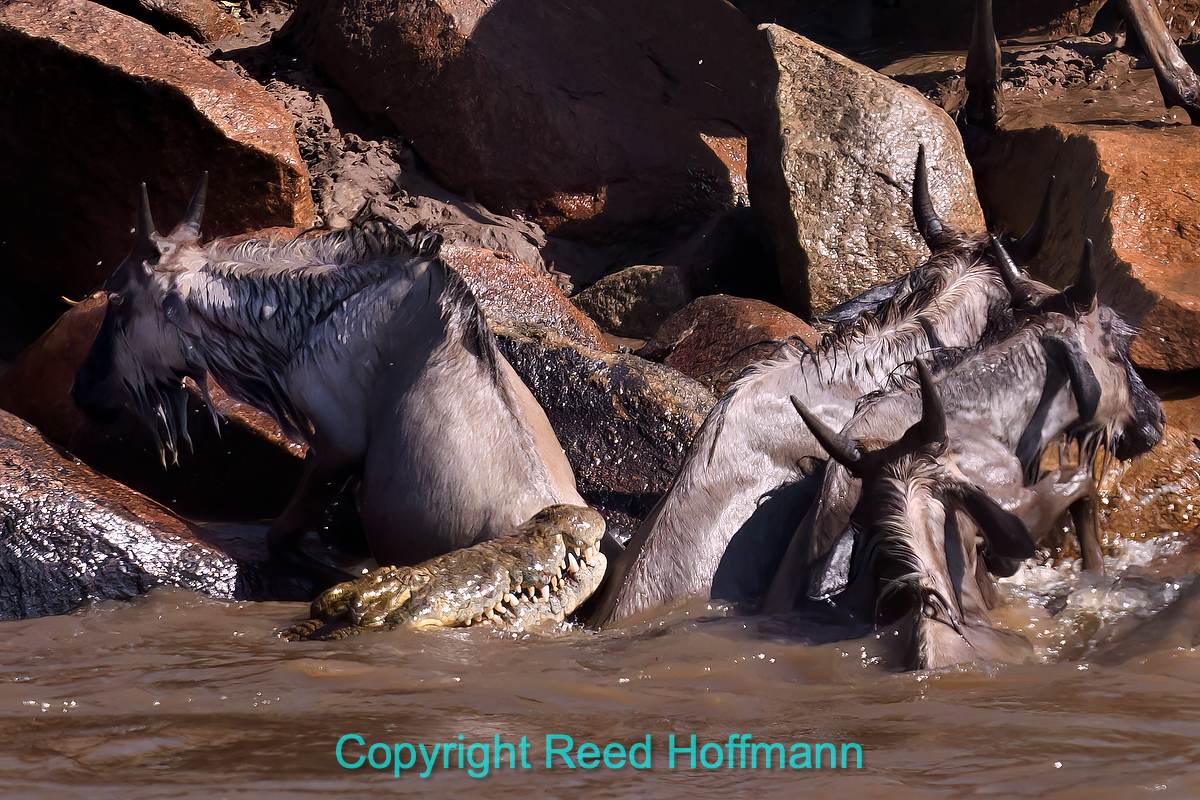
We saw one crocodile make a half-hearted attempt to grab a wildebeest as they climbed out of the river. Most crocodiles simply wait for animals to drown, then feast on the remains. Nikon Z 8, Manual exposure with Auto ISO, Sunny white balance, ISO 1000, 1/2500 at f/6.3 in Matrix metering, -0.3 EV, Nikkor Z 180-600mm f/5.6-6.3 VR lens at 600mm.
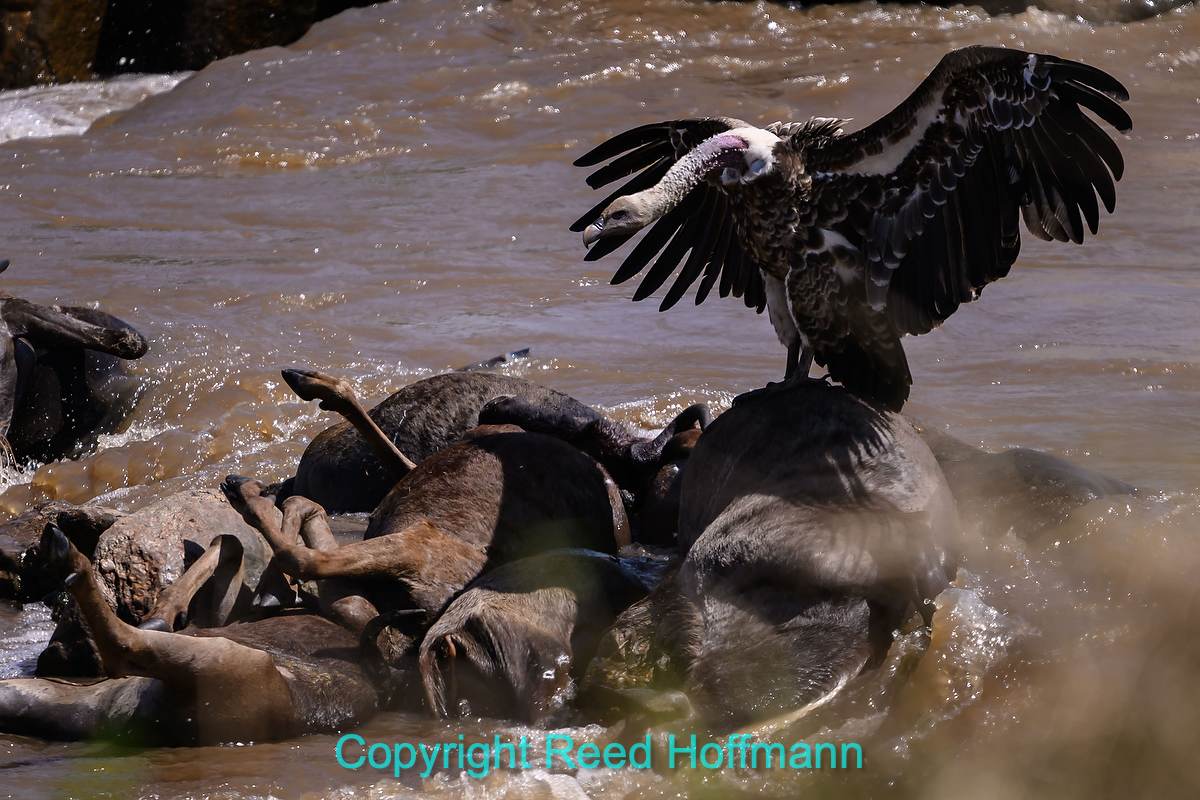
Downriver from the crossing areas you’ll see piles of drowned wildebeest, and vultures staking out their next meal. Nikon Z 8, Manual exposure with Auto ISO, Sunny white balance, ISO 500, 1/2000 at f/6.3 in Matrix metering, -0.3 EV, Nikkor Z 180-600mm f/5.6-6.3 VR lens at 600mm.
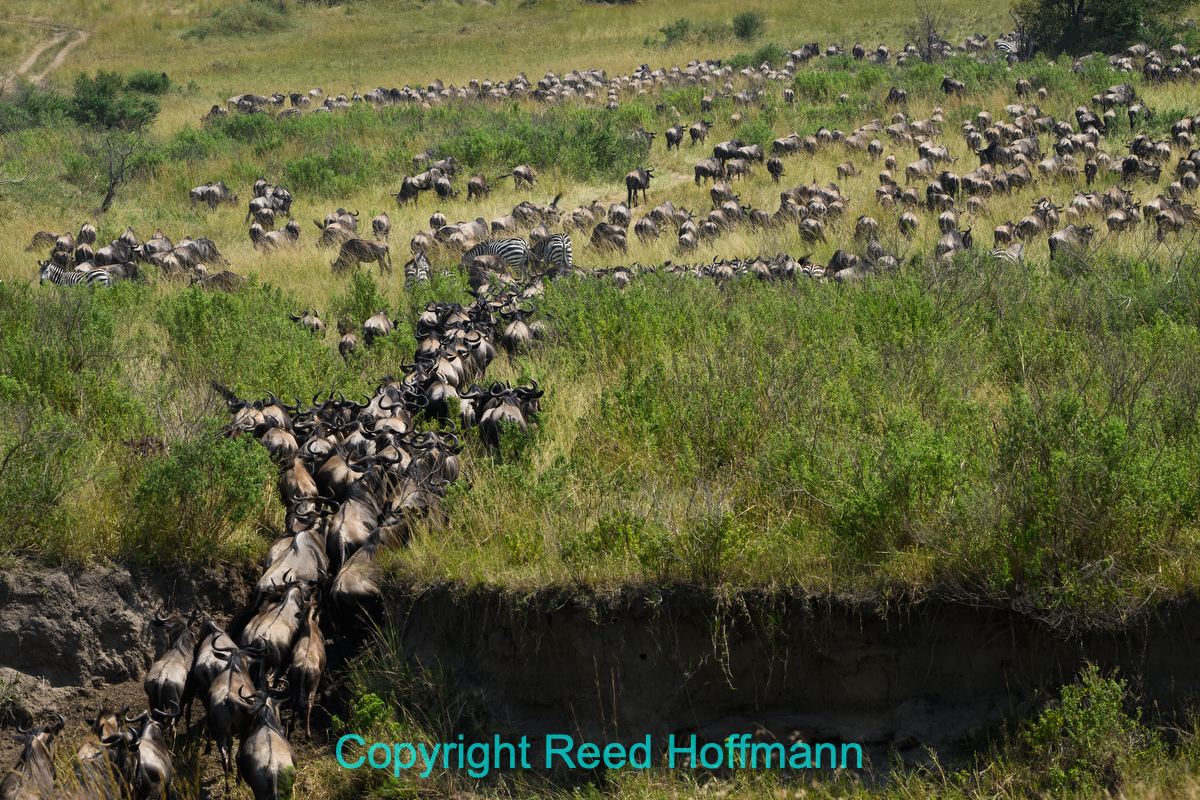
For the wildebeest and zebra that make a successful crossing, their journey continues north into Kenya. Nikon Z 8, Manual exposure with Auto ISO, Sunny white balance, ISO 320, 1/400 at f/10 in Matrix metering, -0.3 EV, Nikkor Z 180-600mm f/5.6-6.3 VR lens at 180mm.
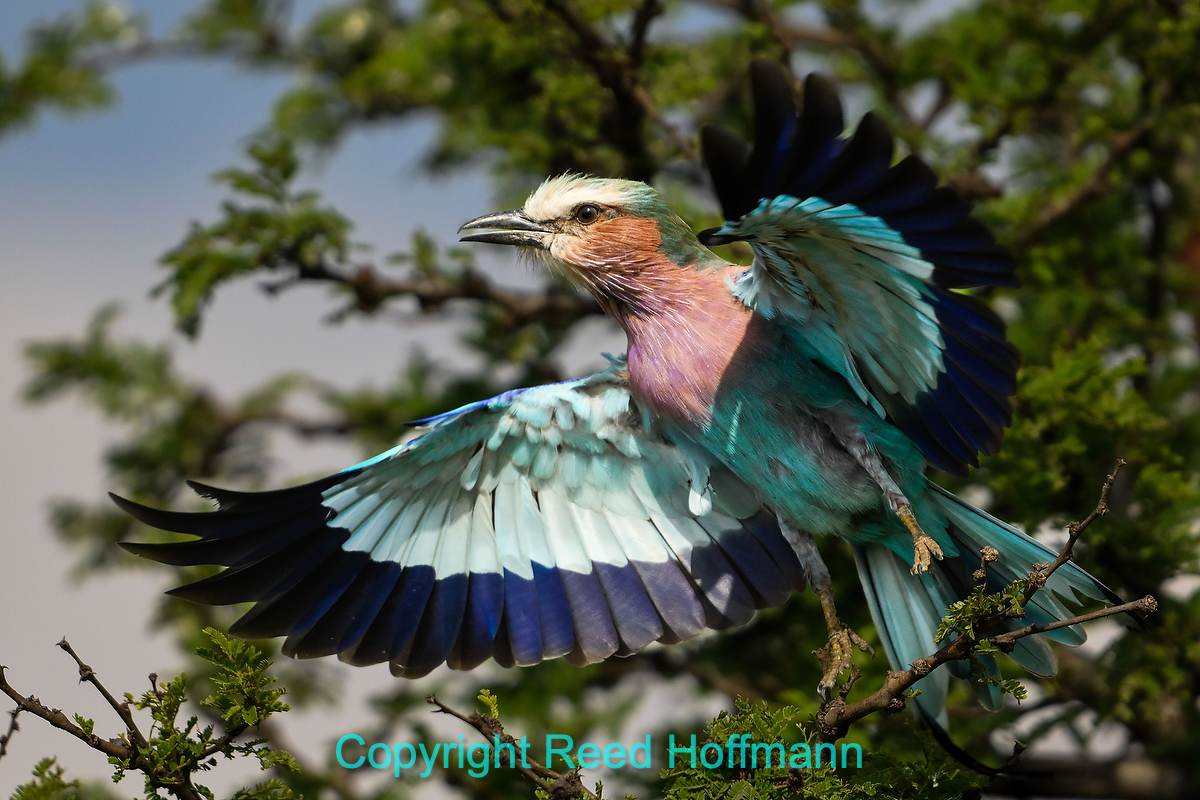
The two days we spend at the Mara River are primarily focused on photographing crossings. But we don’t ignore other good wildlife opportunities, or birdlife, like this lilac breasted roller. Nikon Z 8, Manual exposure with Auto ISO, Sunny white balance, ISO 1000, 1/3200 at f/6.3 in Matrix metering, 0.0 EV, Nikkor Z 180-600mm f/5.6-6.3 VR lens at 540mm.
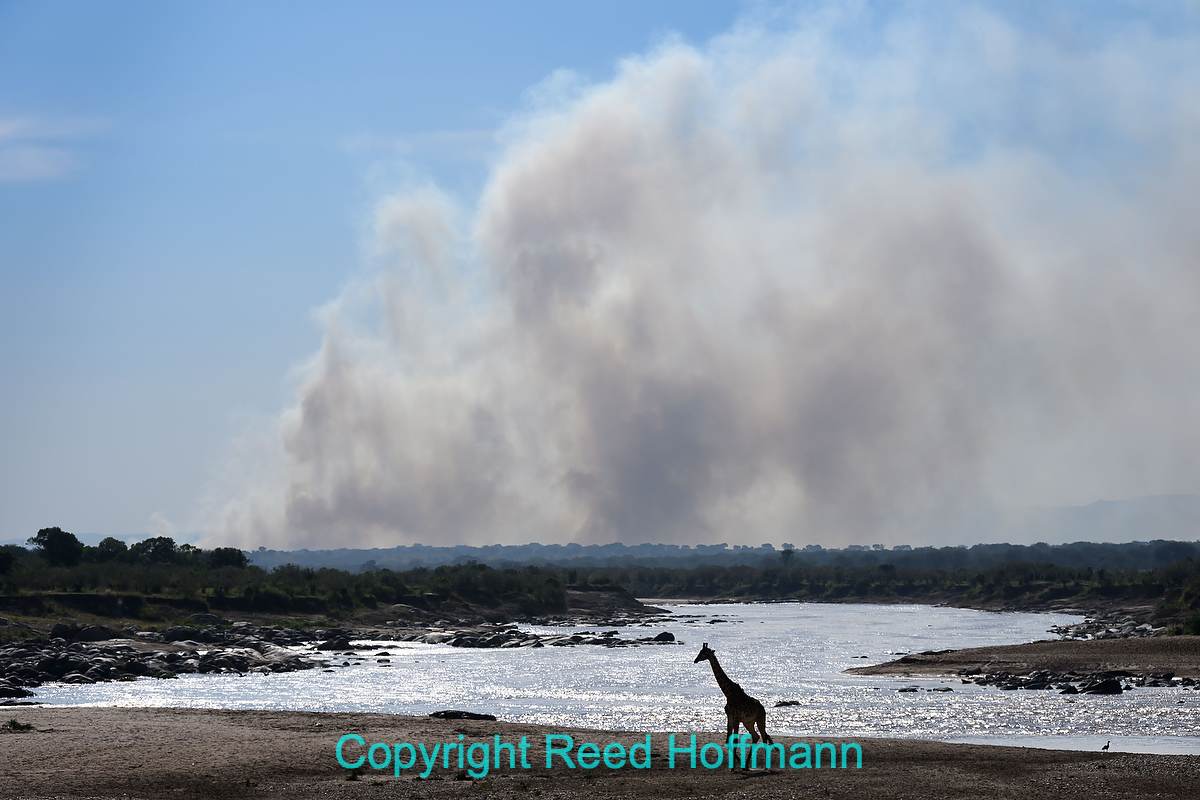
Smoke from distant fires are seen on the horizon, as a giraffe crosses the river. Sections of the Serengeti are burned every year to promote fresh growth and control invasive species. Nikon Z6III, Manual exposure with Auto ISO, Sunny white balance, ISO 100, 1/1000 at f/8 in Matrix metering, +1.0 EV, Nikkor Z 24-200mm f/4-6.3 VR lens at 99mm.
Days 7 through 9 – At this point in the trip, we start looking for those animals we haven’t yet gotten good photos of. Our first priority with that is the predators, especially leopards and cheetahs.
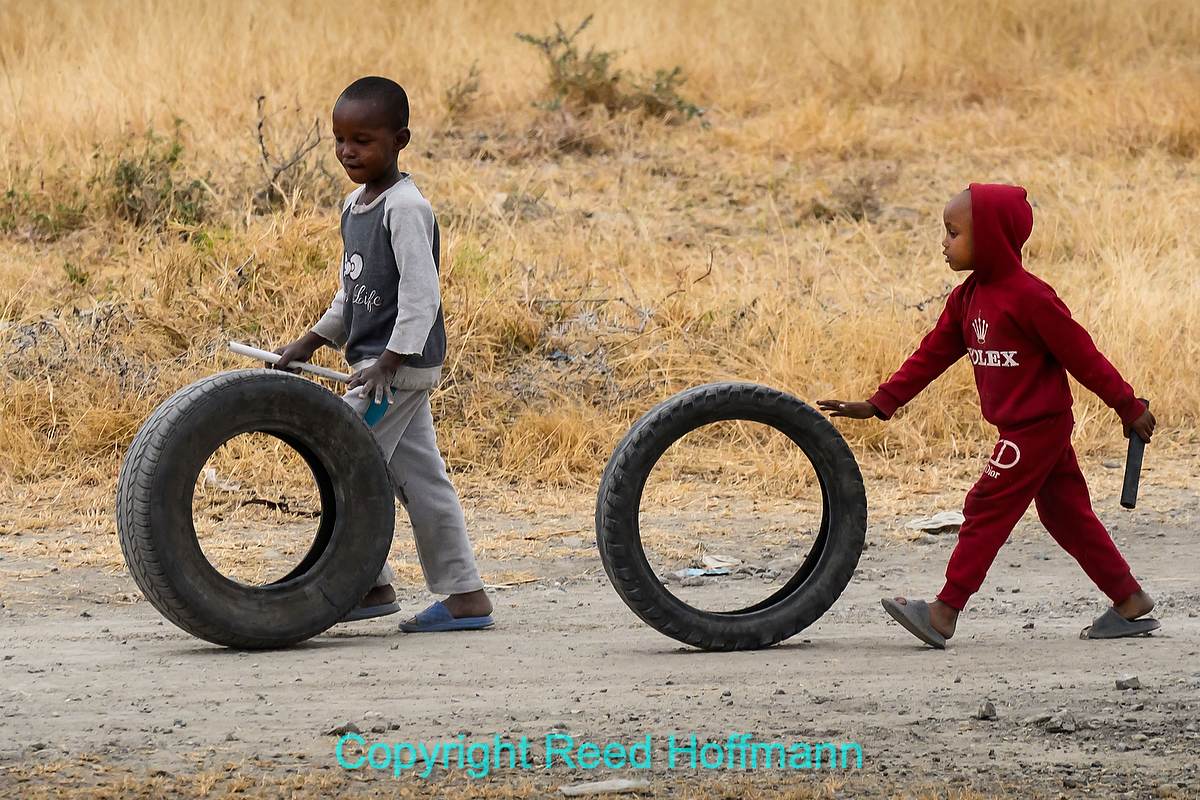
The quickest way back to the central Serengeti from the Mara River is to exit the park. That gives us an opportunity to see what the daily lives of Tanzanians are like. Kids there are like kids everywhere. Nikon Z6III, Manual exposure with Auto ISO, Sunny white balance, ISO 1250, 1/1250 at f/6.3 in Matrix metering, 0.0 EV, Nikkor Z 24-200mm f/4-6.3 VR lens at 200mm.
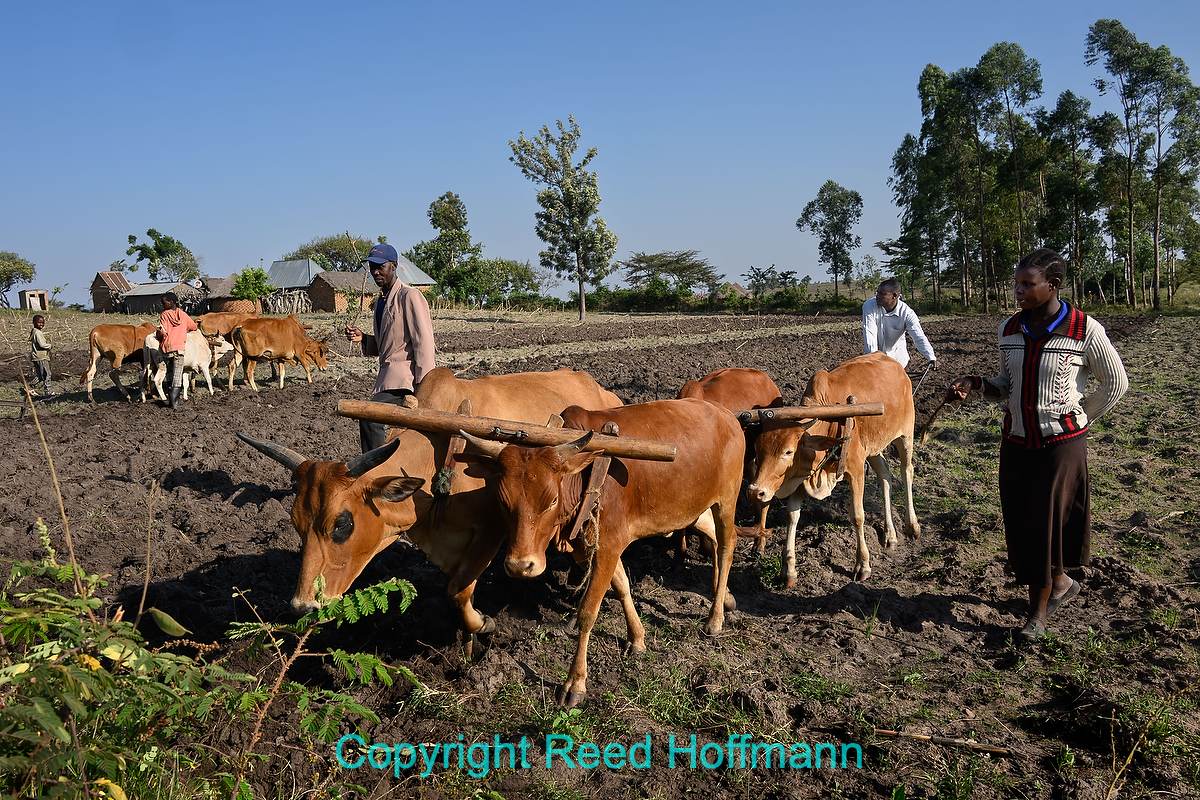
In this case, we stopped to ask if we could photograph a family plowing their field. One of our group even tried her hand at it – “that’s hard work,” she told us. Nikon Z6III, Manual exposure with Auto ISO, Sunny white balance, ISO 250, 1/320 at f/10 in Matrix metering, -0.3 EV, Nikkor Z 24-200mm f/4-6.3 VR lens at 28mm.
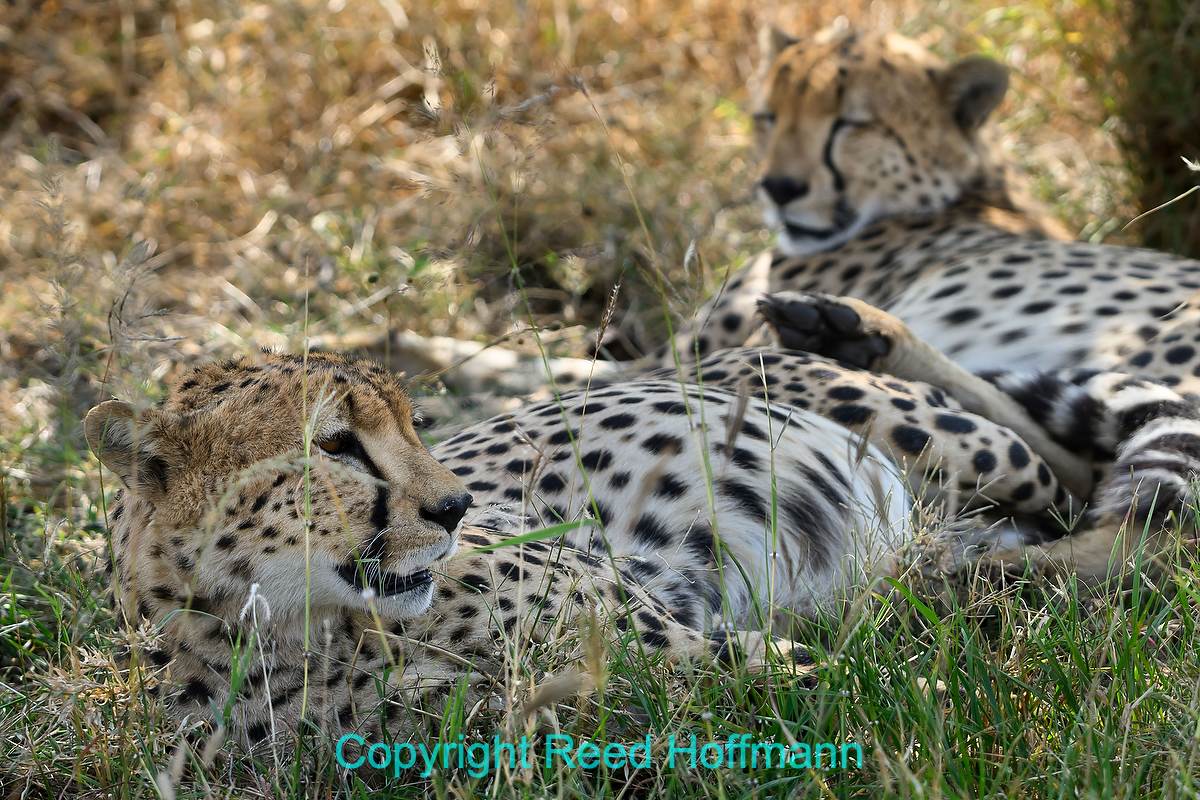
Cheetahs get picked on by most of the other predators: lion, leopards and even hyena. That means there aren’t many of them, and so we considered ourselves particularly lucky to find this pair resting in the shade of a lone tree. Nikon Z 8, Manual exposure with Auto ISO, Sunny white balance, ISO 560, 1/800 at f/5.6 in Matrix metering, 0.0 EV, Nikkor Z 180-600mm f/5.6-6.3 VR lens at 210mm.
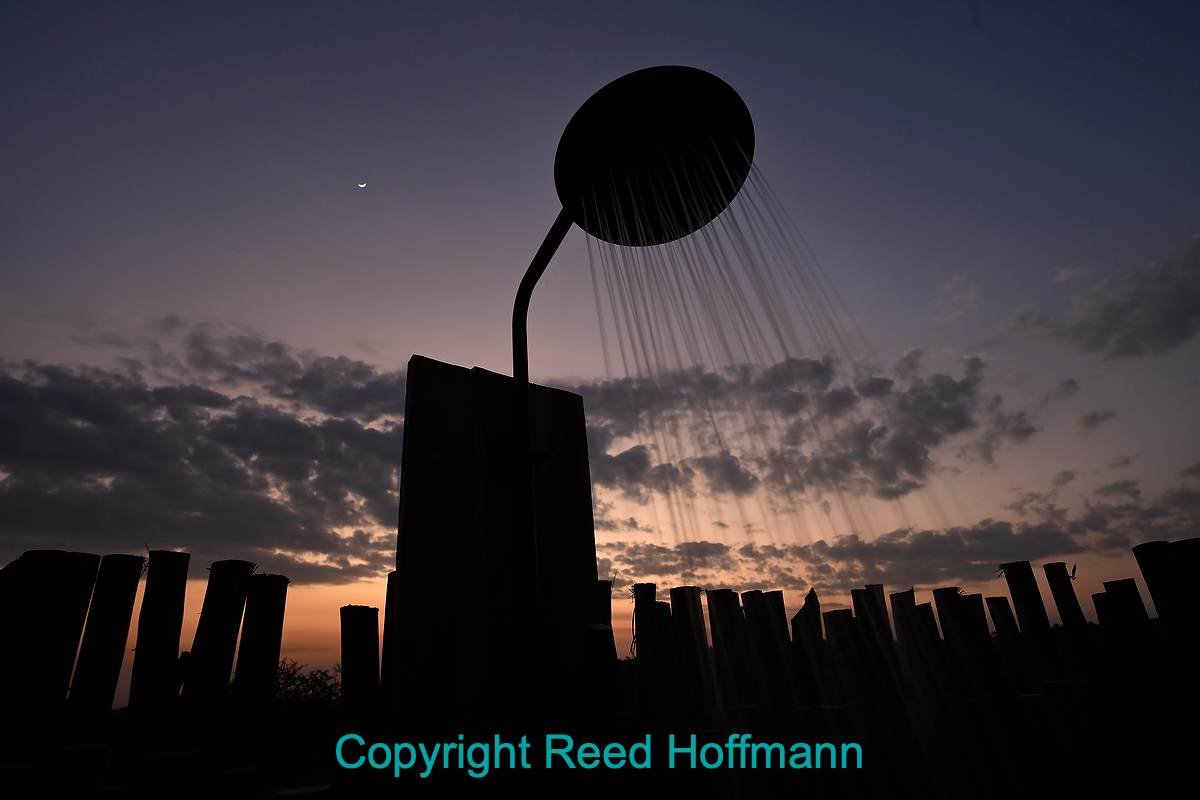
Once inside the Serengeti, we stay at what are called “mobile camps.” I much prefer them over the lodges, as they’re small, running anywhere from ten to twenty tents. However, it’s not like any tent camping I’ve ever done. At this one, not only did we have a bathroom and shower in the tent, but could also use the outdoor shower (connected to the tent and private). What a great way to end the day! Nikon Z6III, Aperture Priority, Sunny white balance, ISO 500, 1/13 at f/8 in Matrix metering, -0.7 EV, Nikkor Z 20mm f/1.8 S lens.
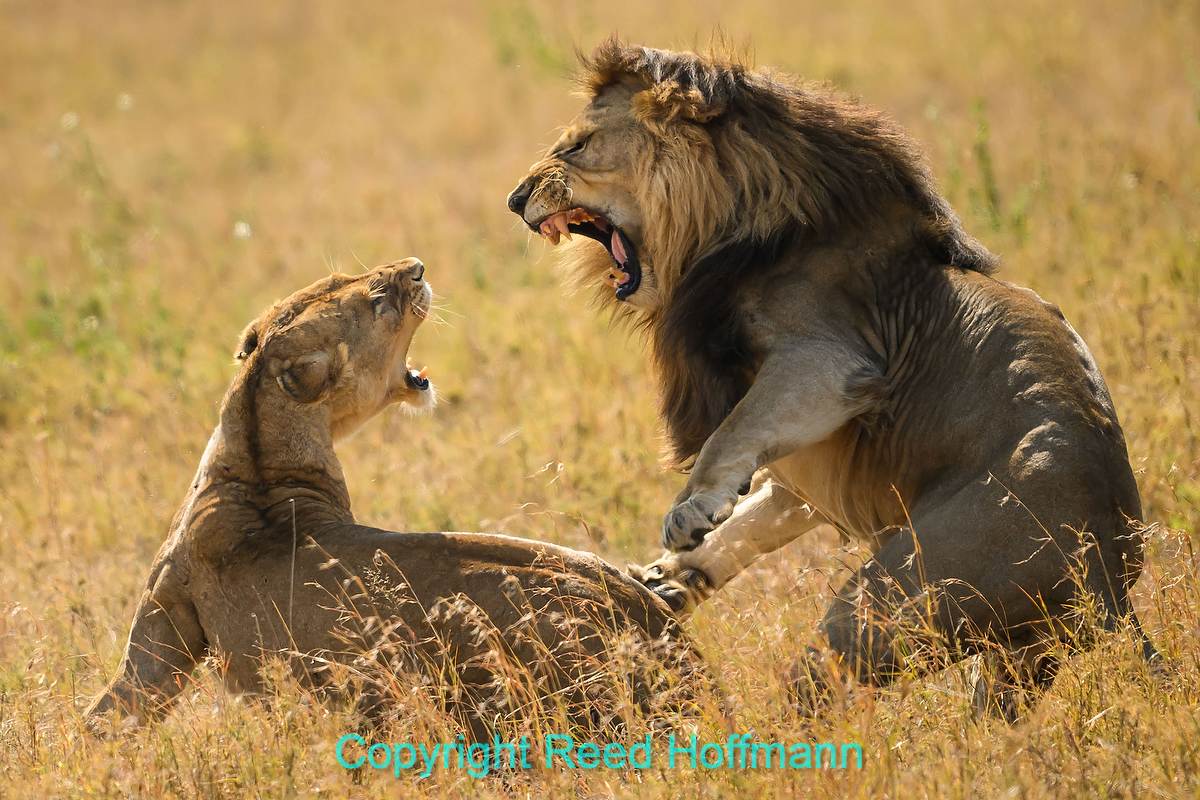
In a pride of lions, the females work together, both hunting and raising cubs. The male’s job is to patrol the perimeter of their territory to keep other lions out. So when you find a male with a single female. they’re “on honeymoon.” That means they’ll mate about every twenty-minutes. Well worth waiting for the action, like this at the end of a session. Nikon Z 8, Manual exposure with Auto ISO, Cloudy white balance (to bring out the golden grass), ISO 640, 1/1600 at f/6.3 in Matrix metering, 0.0 EV, Nikkor Z 180-600mm f/5.6-6.3 VR lens at 600mm.
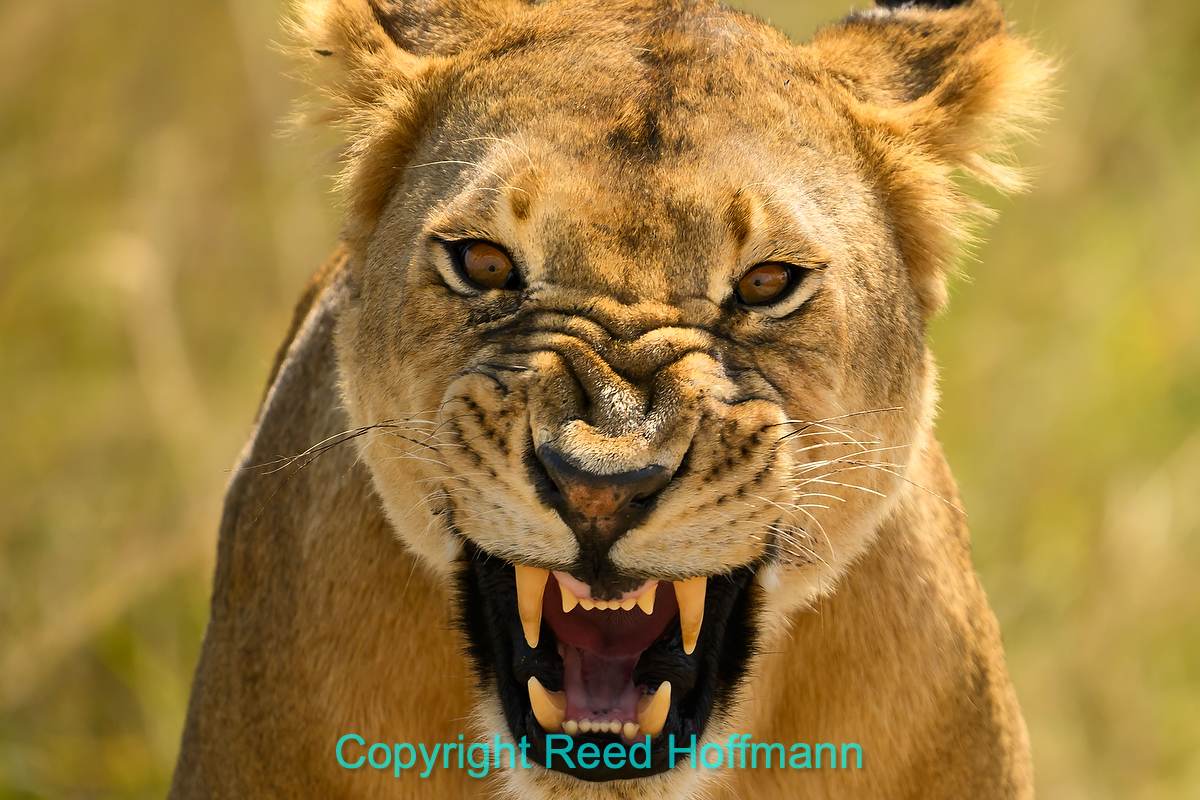
As I mentioned before, there are LOTS of lions in the Serengeti, and we get some close-up opportunities as well. In that case, I’m hoping for something special, like a good face. Nikon Z 8, Manual exposure with Auto ISO, Cloudy white balance, ISO 500, 1/1250 at f/6.3 in Matrix metering, 0.0 EV, Nikkor Z 180-600mm f/5.6-6.3 VR lens at 540mm.
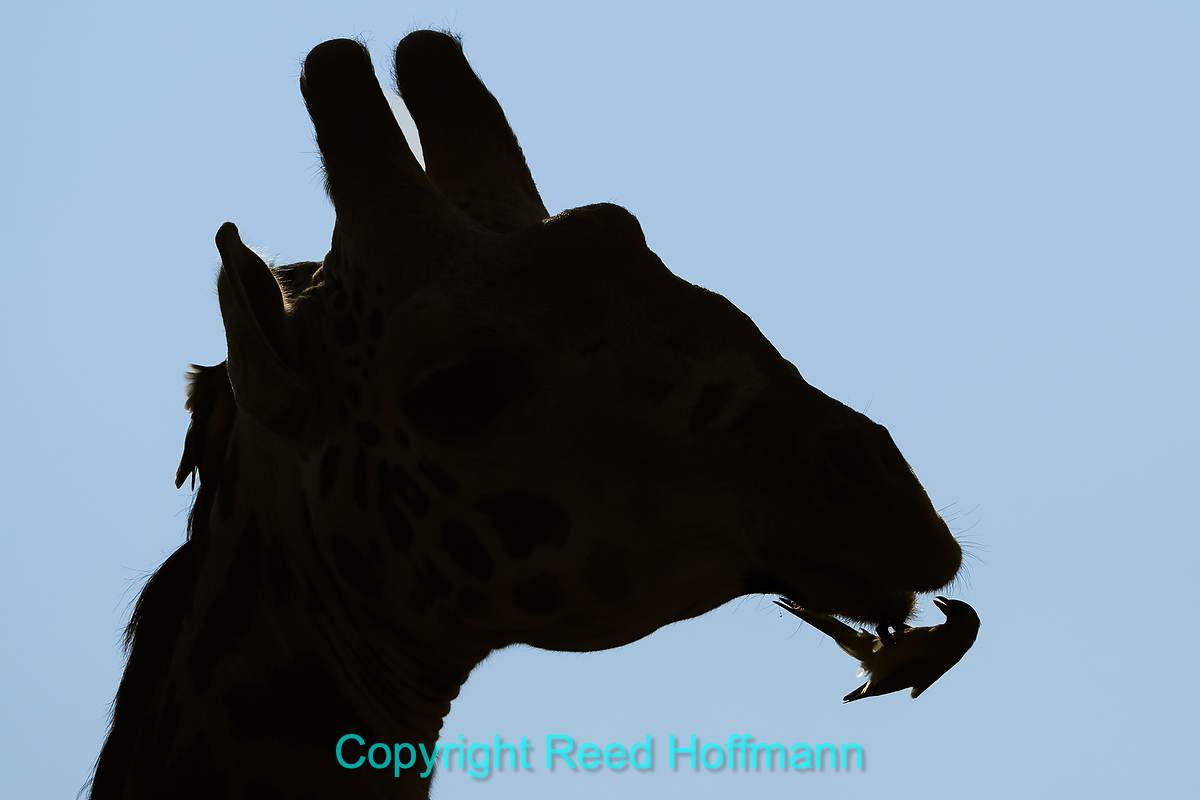
After the first few days, we don’t stop any more for wildlife we already have good photos of. After all, time equals opportunity, so we spend more time looking for something different. That’s why we stopped for this. While we’d made some nice giraffe photos earlier in the trip, we didn’t have any with a bird playing dental hygienist. Nikon Z 8, Manual exposure with Auto ISO, Sunny white balance, ISO 320, 1/2500 at f/8 in Matrix metering, 0.0 EV, Nikkor Z 180-600mm f/5.6-6.3 VR lens with Z TC-1.4x teleconverter for 350mm.
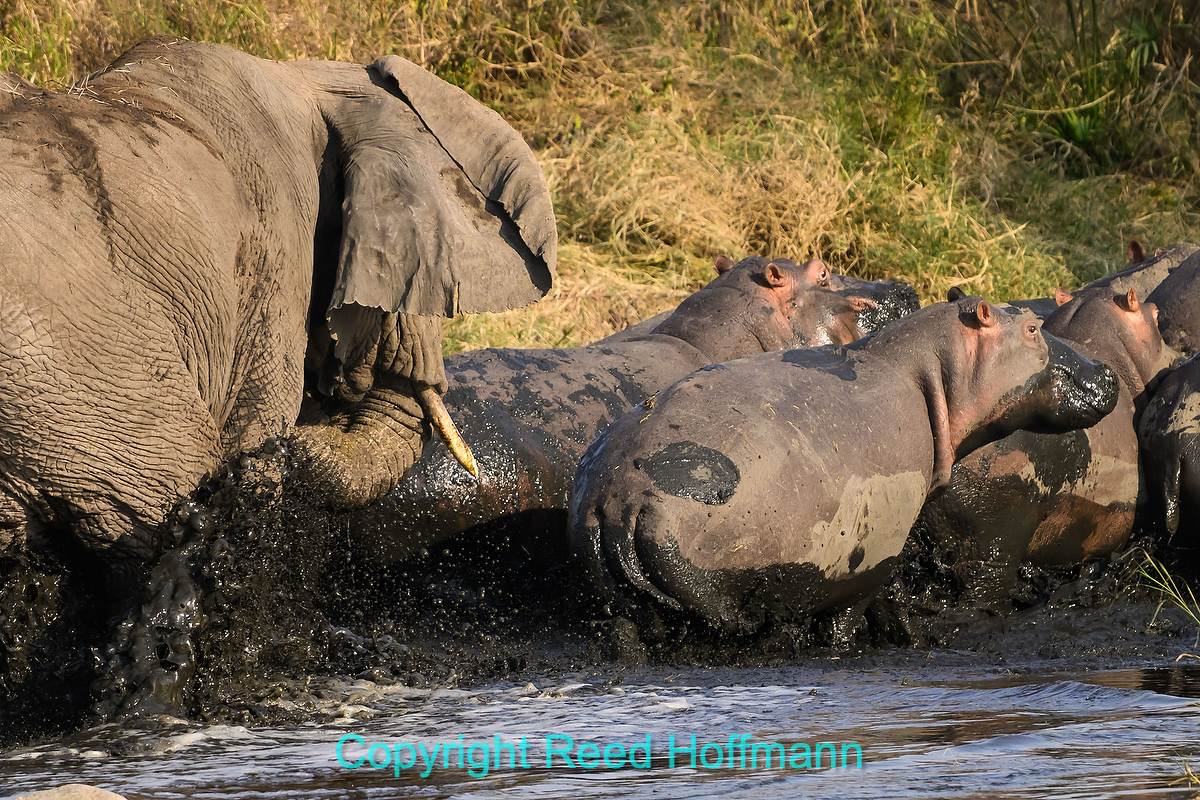
Elephants have poor eyesight, so they’ll often chase off anything they sense is near them since they’re not sure if it’s dangerous or not. While a grown elephant doesn’t have any natural enemies, they often have babies with them and are very protective of the little ones. In this case, this elephant chased off a group of hippos lounging in the river. Grown hippos don’t have any natural enemies either, but prefer not to get poked by tusks! Nikon Z 8, Manual exposure with Auto ISO, Sunny white balance, ISO 2000, 1/1250 at f/10 in Matrix metering, 0.0 EV, Nikkor Z 180-600mm f/5.6-6.3 VR Z lens with TC-1.4x teleconverter for 840mm.
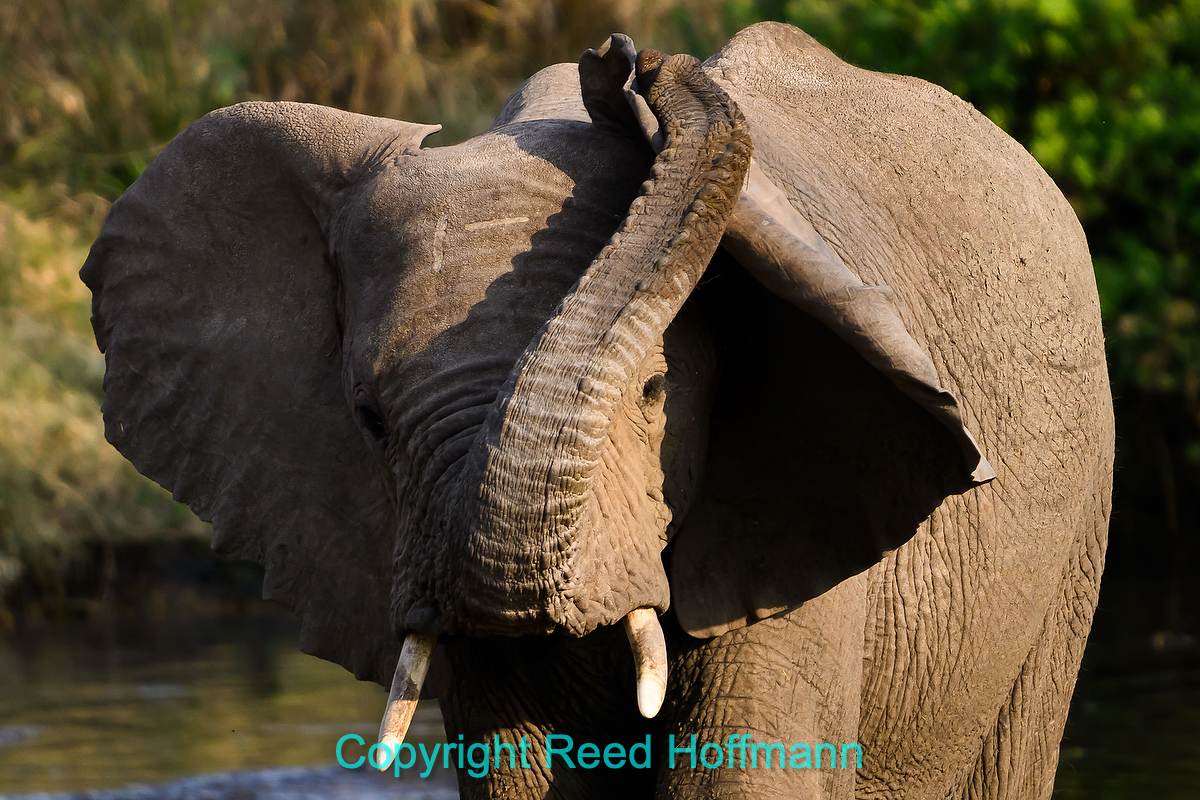
That same elephant keeping an eye on us. Nikon Z 8, Manual exposure with Auto ISO, Sunny white balance, ISO 1250, 1/800 at f/9 in Matrix metering, 0.0 EV, Nikkor Z 180-600mm f/5.6-6.3 VR lens with Z TC-1.4x teleconverter for 840mm.
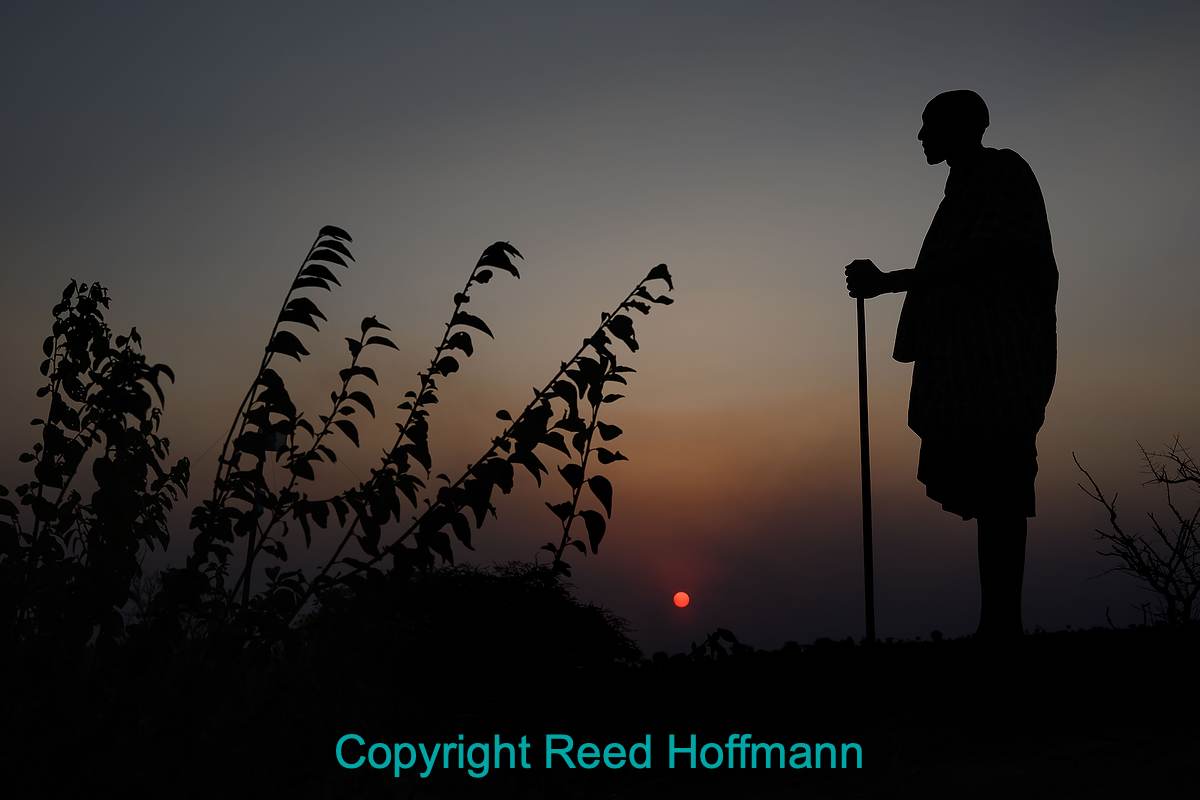
Most camps employ Maasai to patrol the area at night, and walk guests to and from their tents after dark. Returning to camp at the end of the day, we asked one of them to pose for us with the setting sun. Nikon Z6III, Aperture Priority, Sunny white balance, ISO 125, 1/400 at f/8 in Matrix metering, -0.7 EV, Nikkor Z 24-200mm f/4-6.3 VR lens at 40mm.
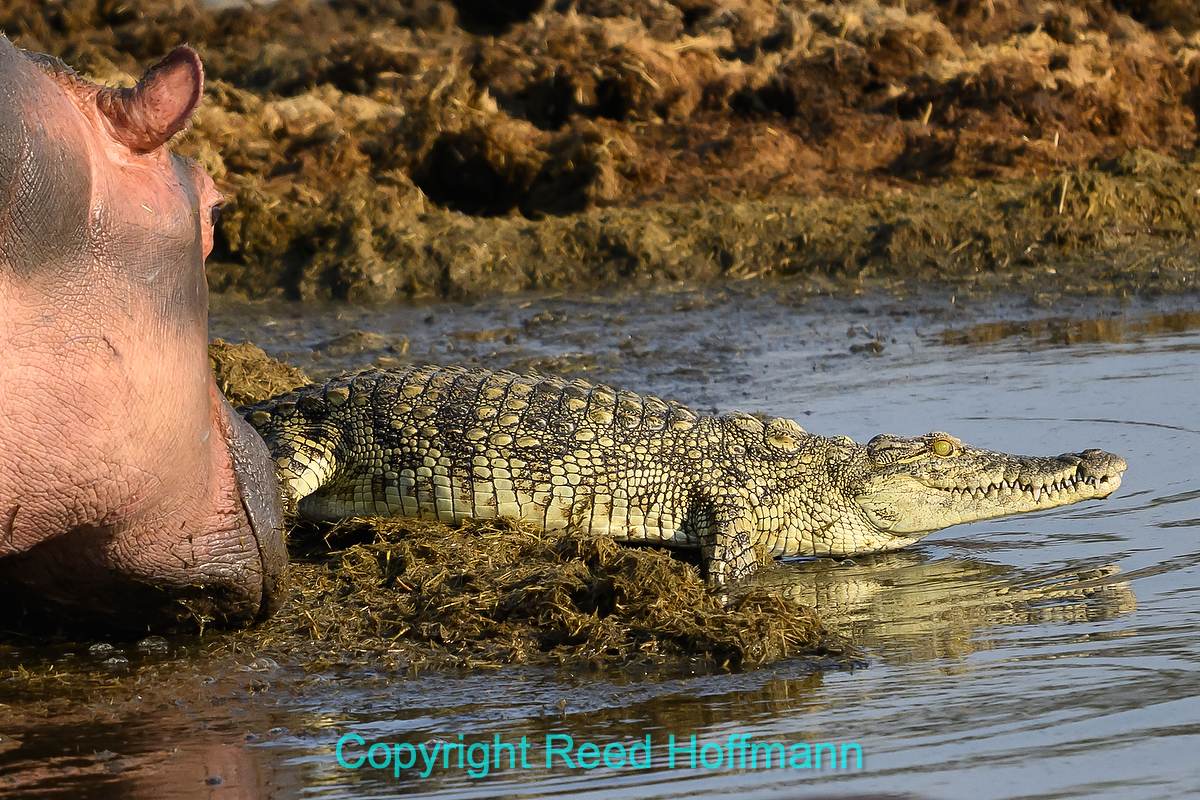
While you can find hippos wherever there’s water in the Serengeti, there’s one place that’s actually called the “hippo pool,” because dozens of them gather there each day. You can often see a crocodile or two nearby as well, but in this case one of the hippos chased it off. The crocs aren’t a threat to the hippos, but I suppose the hippos just like to have the pool to themselves. Nikon Z 8, Manual exposure with Auto ISO, Sunny white balance, ISO 800, 1/1600 at f/6.3 in Matrix metering, -0.3 EV, Nikkor NIKKOR Z 180-600mm f/5.6-6.3 VR lens at 600mm.
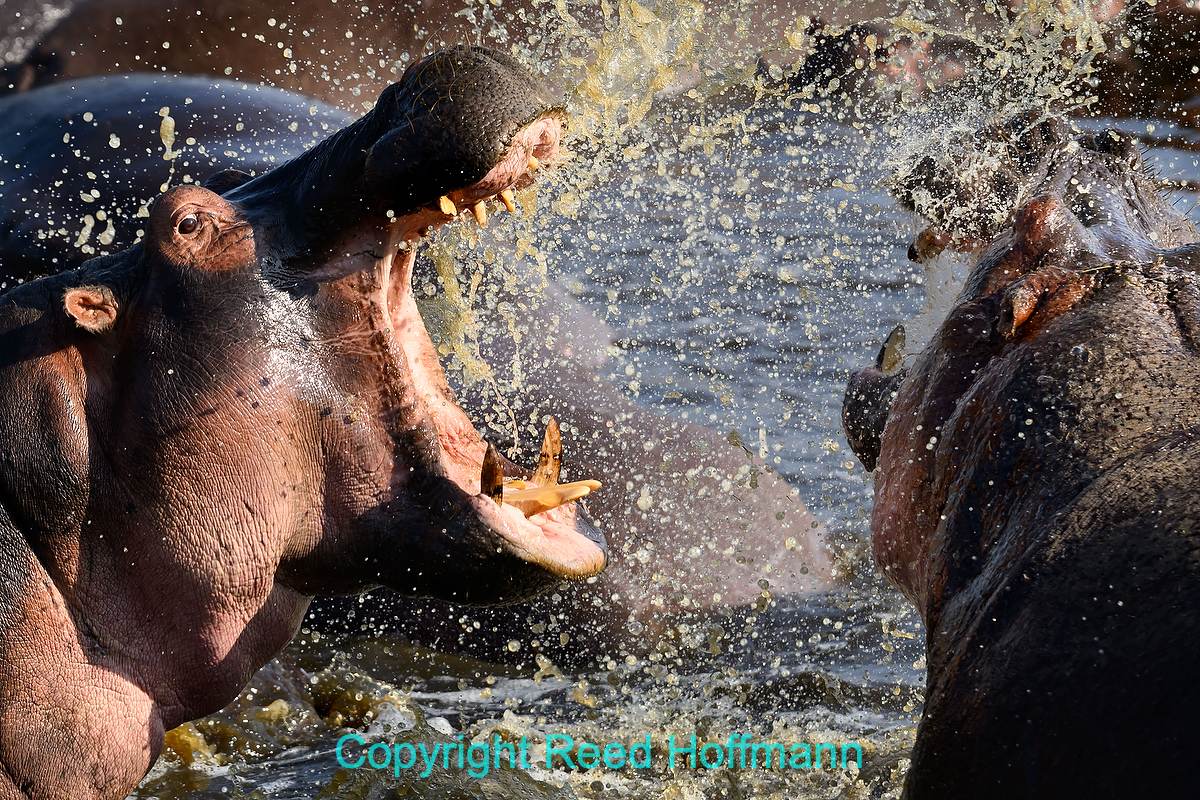
I always have my groups stay longer at the pool than most visitors, because I know that eventually there will be a fight. Nikon Z 8, Manual exposure with Auto ISO, Sunny white balance, ISO 720, 1/1600 at f/6.3 in Matrix metering, -0.7 EV, Nikkor Z 180-600mm f/5.6-6.3 VR lens at 310mm.
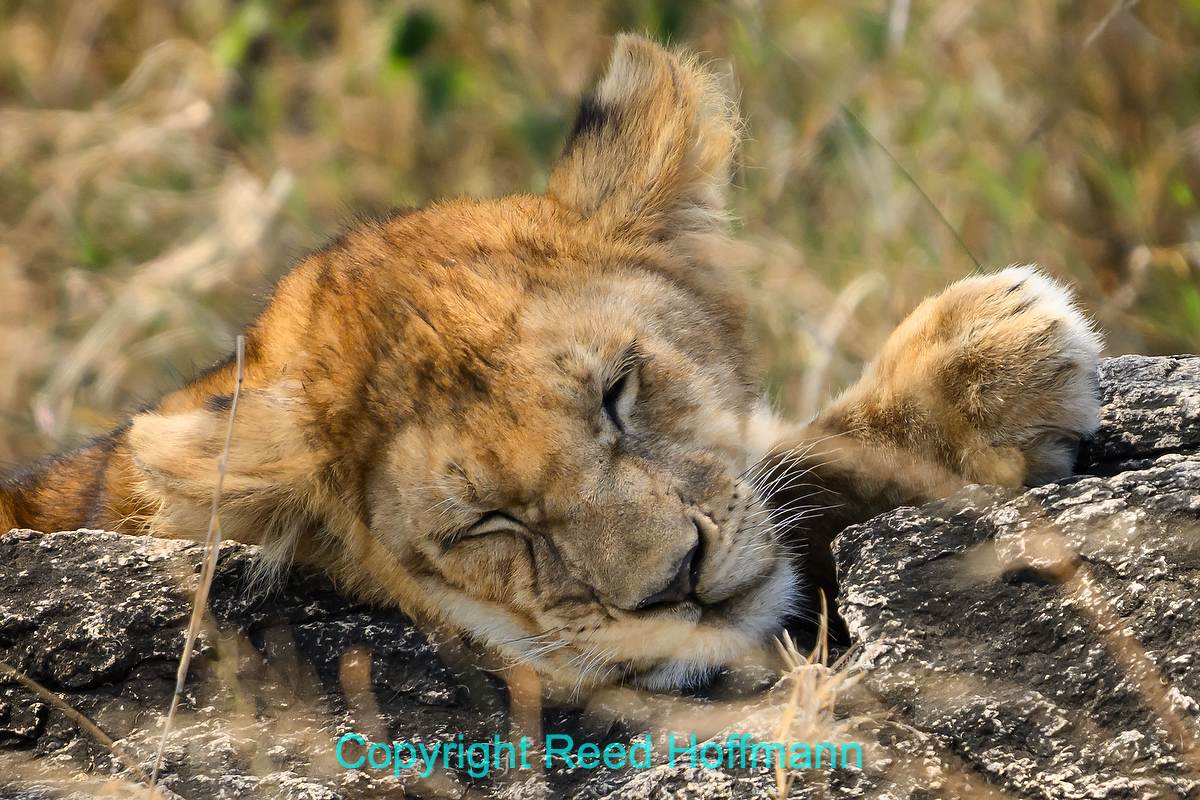
Lion cubs are always cute to see, but a bit sad as well. Only about 25-percent survive to adulthood. Starvation is always an issue, and if a new male takes over a pride, he kills the cubs. That way he’ll more quickly pass on his genes with the new births. Nikon Z 8, Manual exposure with Auto ISO, Sunny white balance, ISO 900, 1/640 at f/9 in Matrix metering, 0.0 EV, Nikkor Z 180-600mm f/5.6-6.3 VR lens with Z TC-1.4x teleconverter for 840mm.
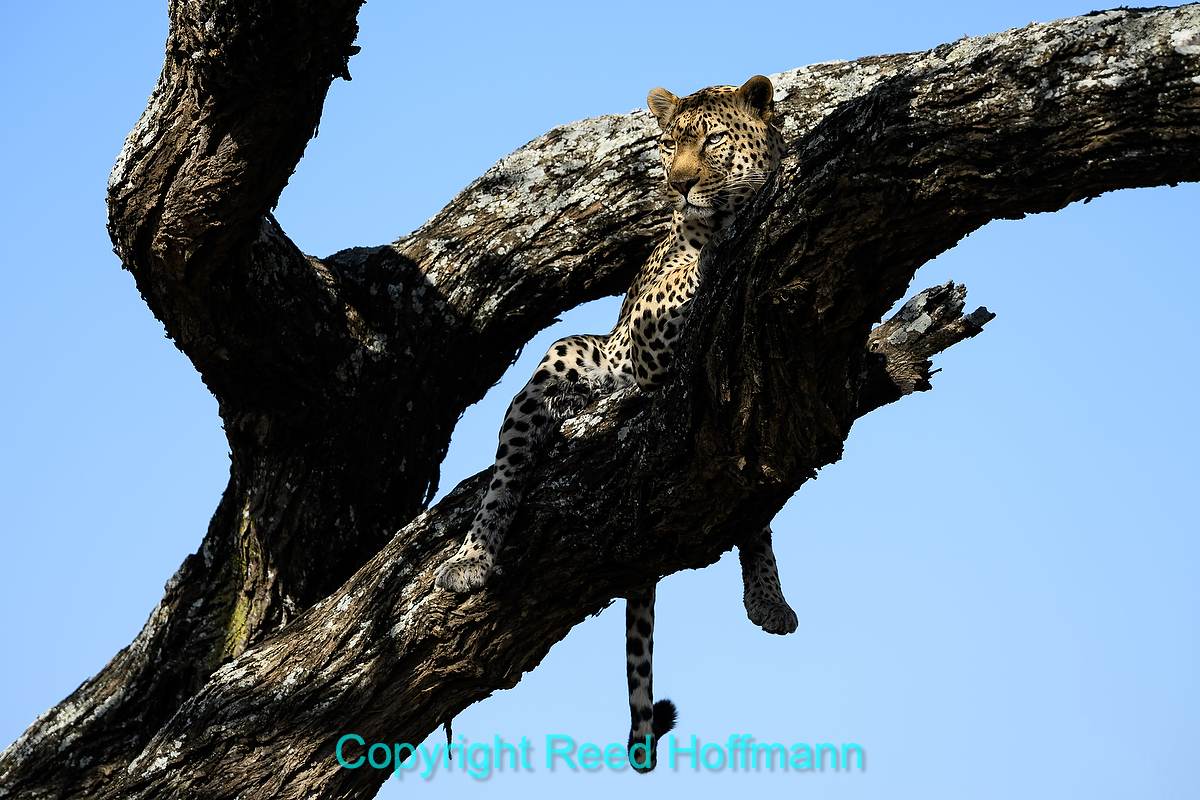
We’d had a couple of leopard sightings earlier in the trip, but hadn’t gotten the kind of photos we wanted. That changed on the last day. Not only did we find this one pretty close to the track, but it was in nice light, and after a while came down from the tree and walked right past our truck. Nikon Z 8, Manual exposure with Auto ISO, Sunny white balance, ISO 180, 1/800 at f/6 in multi-segment metering, -0.3 EV, Nikkor Z 180-600mm f/5.6-6.3 VR lens at 310mm.
Day 10 – Heading back to Kilimanjaro airport, we have one more big game drive awaiting us. That last afternoon is spent inside Ngorongoro Crater, looking for any nice scenes we haven’t already photographed. Exiting the crater late in the day, we have one more night at a nearby lodge.
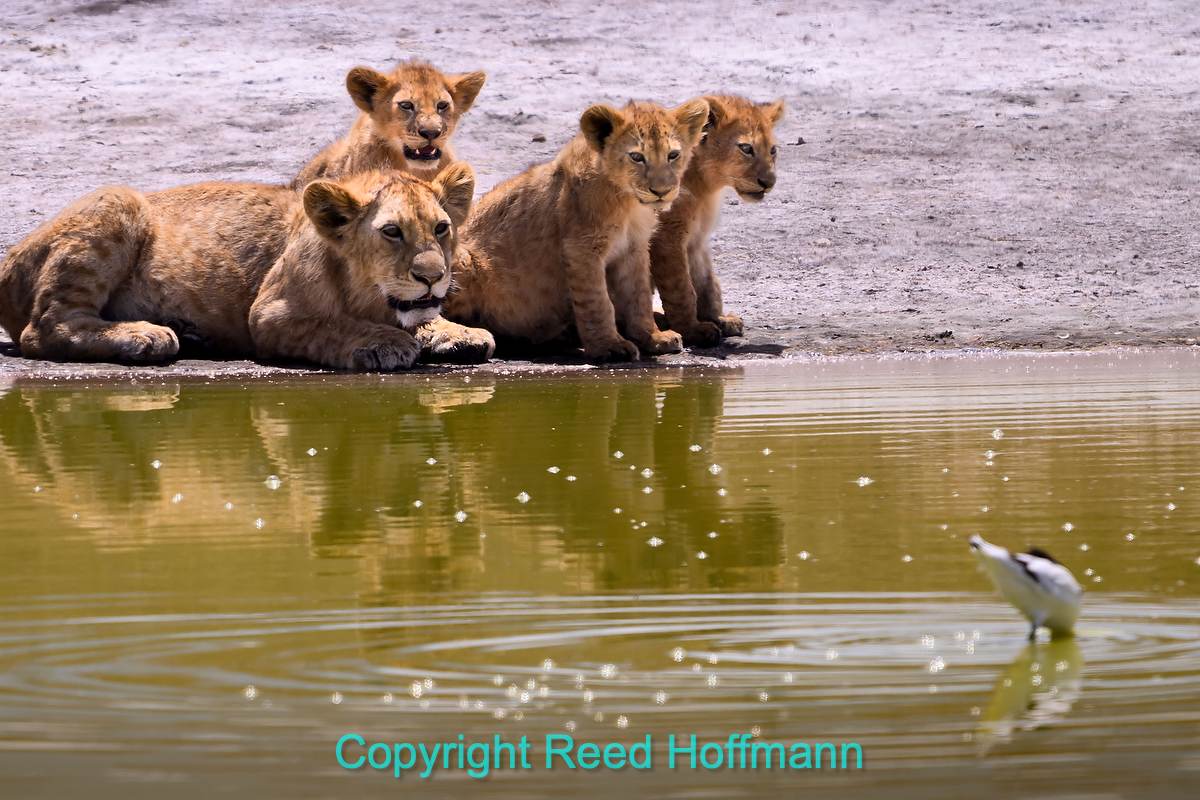
Always hard to pass up a group of lion cubs, this time keeping a close eye on birds in a small river in Ngorongoro Crater. Nikon Z 8, Manual exposure with Auto ISO, Cloudy white balance, ISO 400, 1/800 at f/9 in Matrix metering, +0.3 EV, Nikkor Z 180-600mm f/5.6-6.3 VR lens with Z TC-1.4x teleconverter for 840mm.
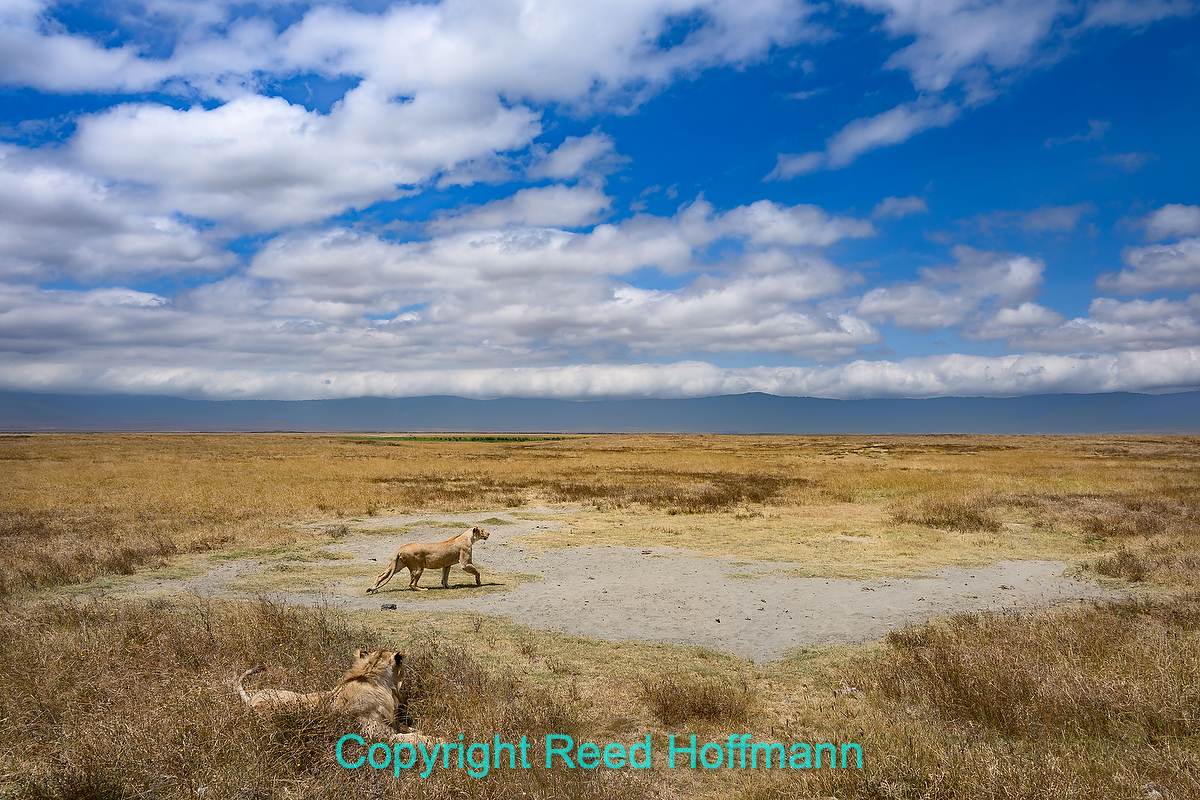
We found another pair of lions “on honeymoon” in the crater, but then she took an interest in a family of warthogs passing through. He’ll just have to wait. Nikon Z6III, Manual exposure with Auto ISO, Sunny white balance, ISO 100, 1/400 at f/10 in Matrix metering, +0.3 EV, Nikkor Z 24-200mm f/4-6.3 VR lens at 24mm.
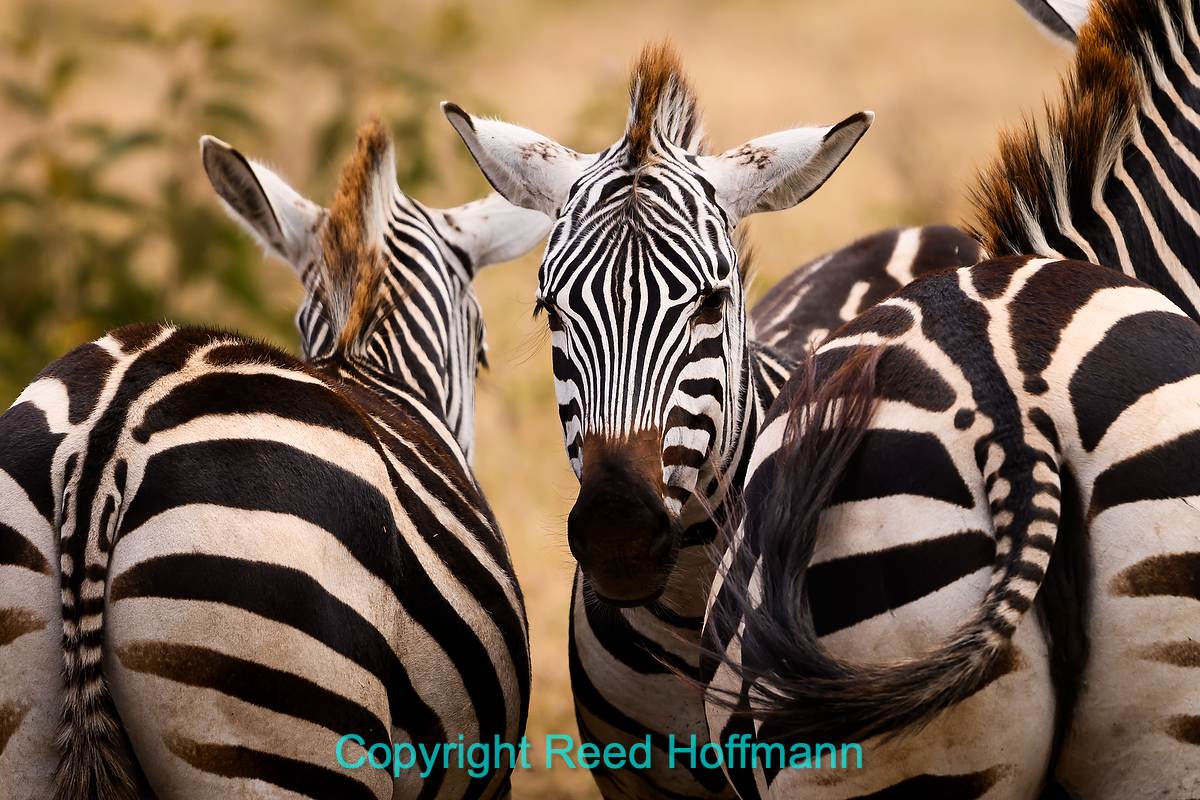
We’d seen lots of zebras on the trip, but few close to us. They’re always fun to photograph, with those great patterns. Nikon Z 8, Manual exposure with Auto ISO, Sunny white balance, ISO 640, 1/1250 at f/6.3 in Matrix metering, 0.0 EV, Nikkor NIKKOR Z 180-600mm f/5.6-6.3 VR lens at 520mm.
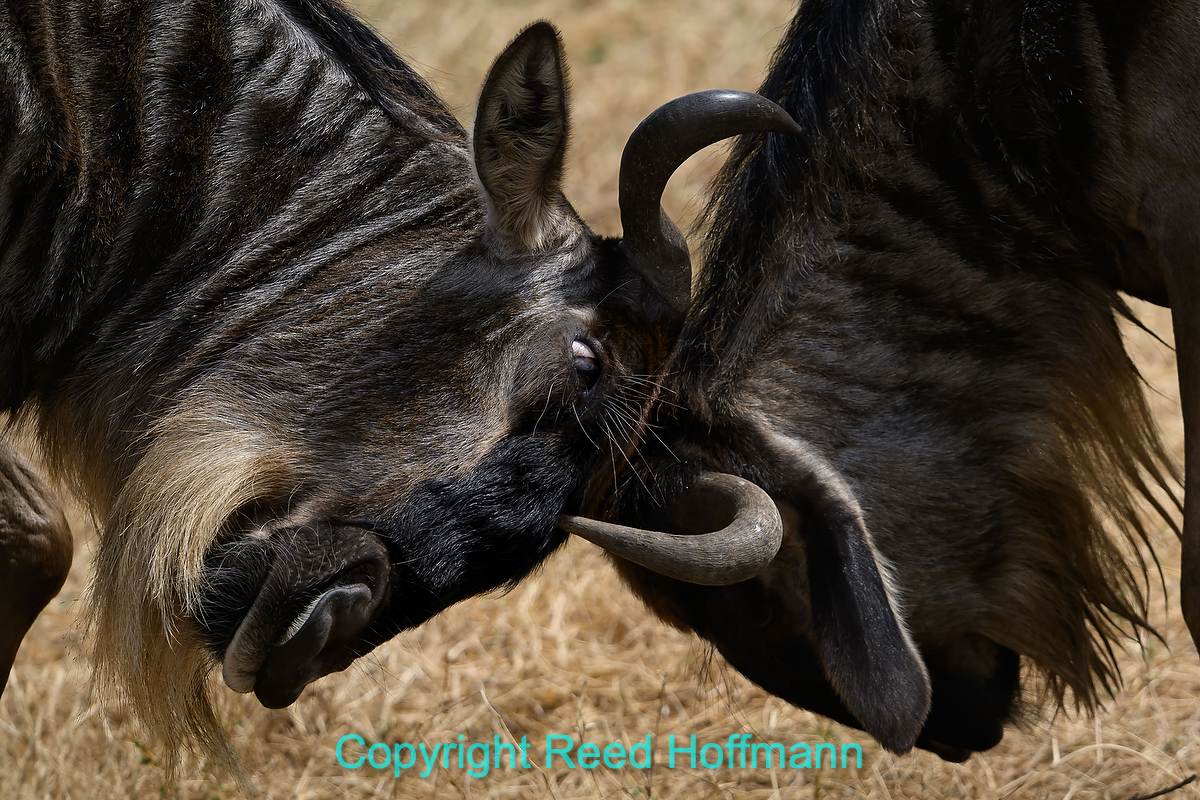
We parked and ate our box lunches surrounded by a herd of wildebeest. This pair was finding out who was the strongest. Nikon Z 8, Manual exposure with Auto ISO, Sunny white balance, ISO 400, 1/1600 at f/5.6 in Matrix metering, -0.7 EV, Nikkor Z 180-600mm f/5.6-6.3 VR lens at 280mm.
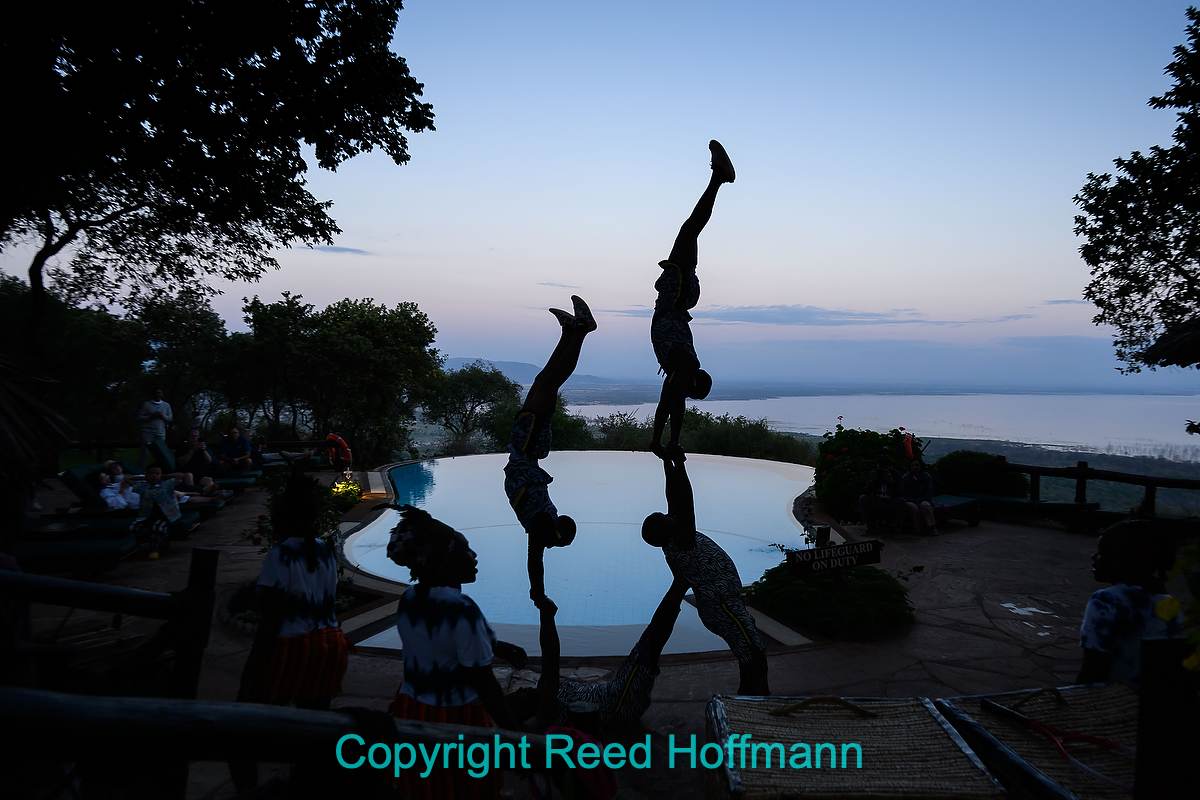
Our final night in Tanzania was spent at a lodge overlooking Lake Manyara. A group of local performers entertained the folks at the pool at sunset. Nikon Z6III, Aperture Priority, Sunny white balance, ISO 640, 1/200 at f/5.6 in Matrix metering, 0.0 EV, Nikkor Z 24-200mm f/4-6.3 VR lens at 25mm.
Day 11 – Flights out of Kilimanjaro airport leave in the evening, so we can spend that final day leisurely making our way back. That gives us the time to visit a giant souvenir bazaar, and also have one final tribal visit, to the Maasai, the most famous of the East African tribes. Their culture centers around their herds of cows and goats. They subsist mainly on a diet of meat, blood and milk, and supplement the income from those animals by welcoming tourist groups.
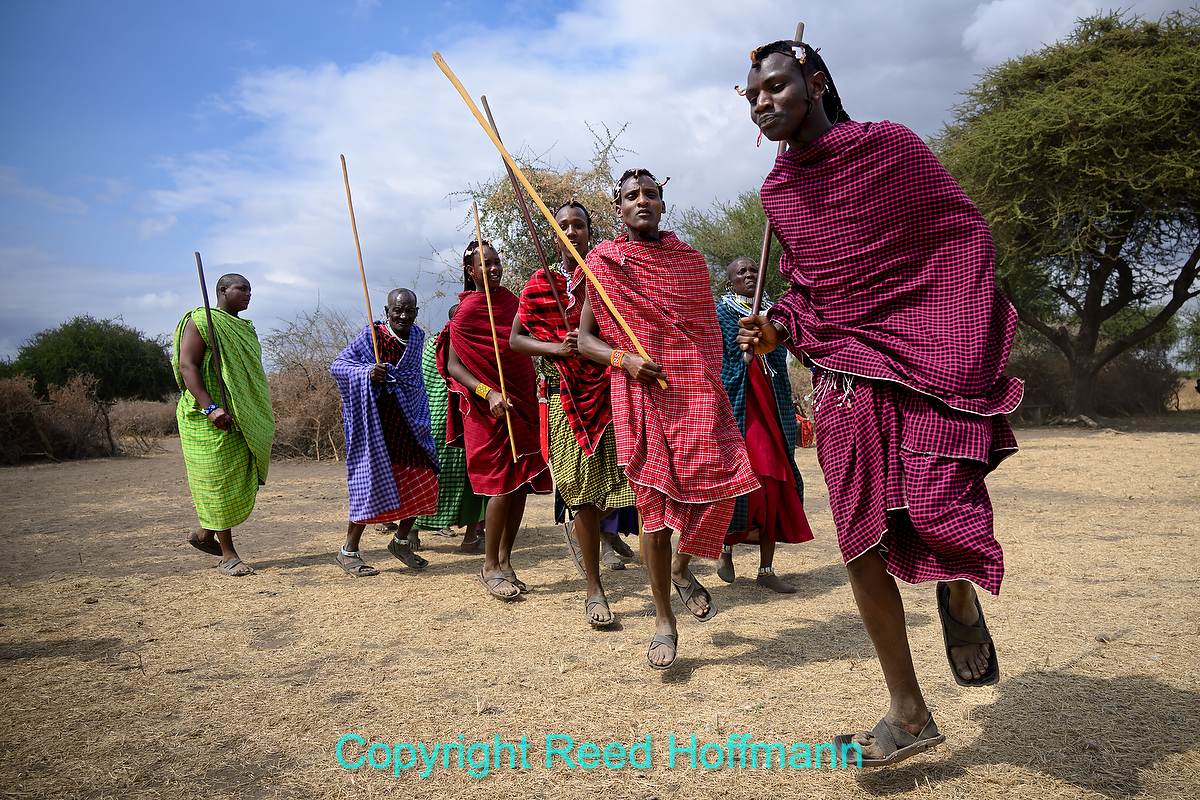
A Maasai visit always begins with a welcoming song and dance. Nikon Z 8, Manual exposure with Auto ISO, Sunny white balance, ISO 100, 1/1000 at f/4 in Matrix metering, 0.0 EV, Nikkor Z 24-200mm f/4-6.3 VR lens at 24mm.
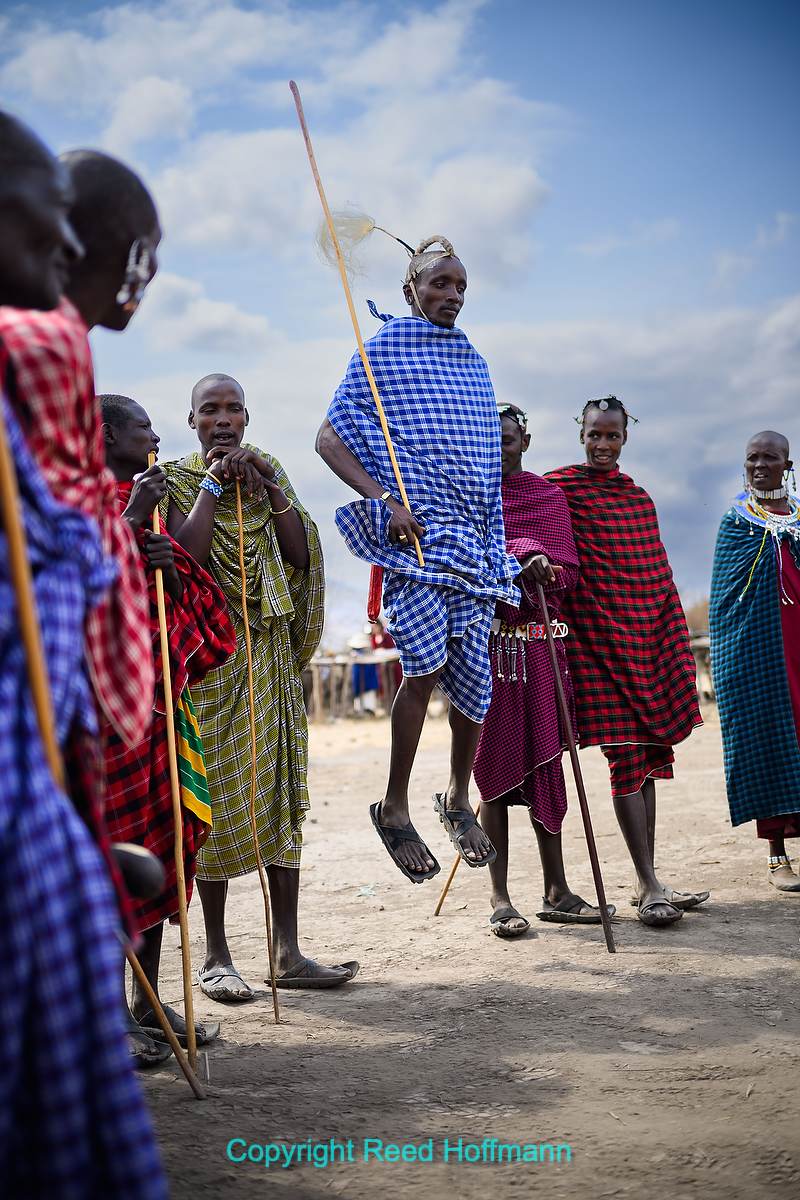
There’s also a jumping competition among the men of the village. Nikon Z 8, Manual exposure with Auto ISO, Sunny white balance, ISO 64, 1/1600 at f/2 in Matrix metering, 0.0 EV, Nikkor Z 40mm f/2 lens at 40mm.
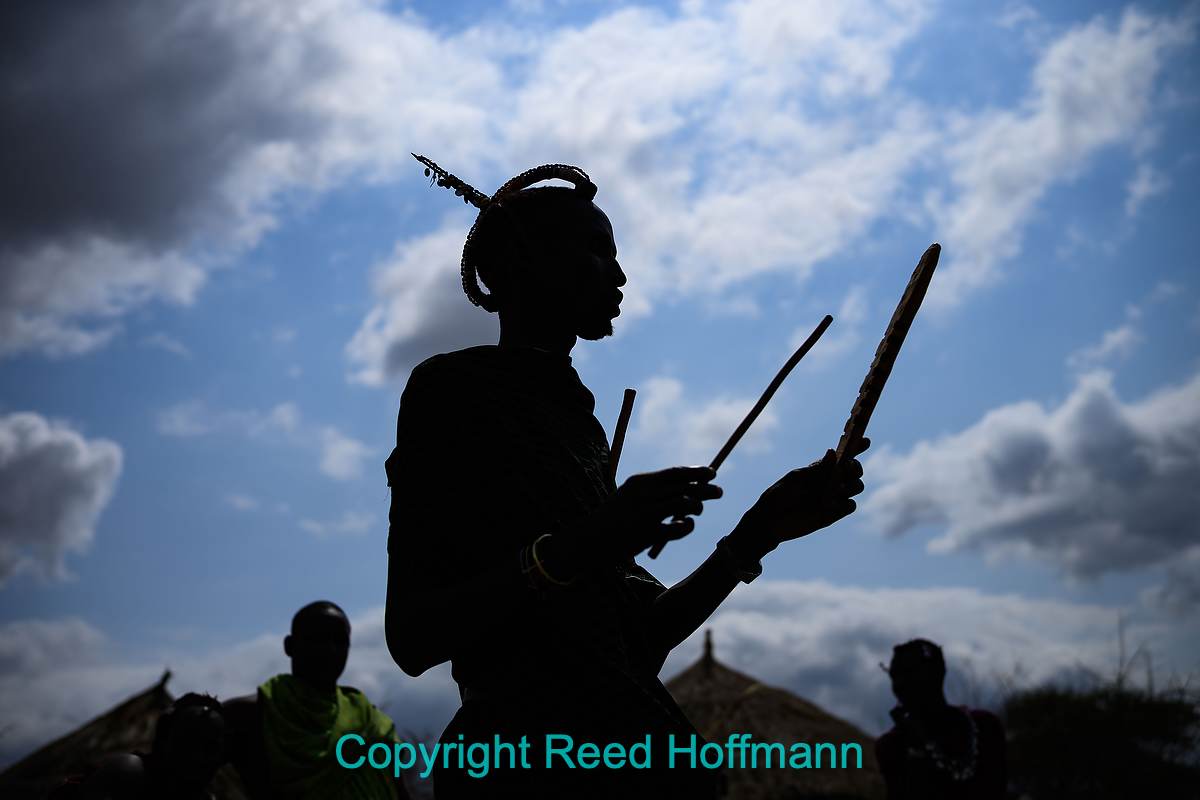
They also demonstrated how to make fire using friction. It’s impressive how quickly they can do this, getting it going in just a few minutes. Nikon Z 8, Manual exposure with Auto ISO, Sunny white balance, ISO 64, 1/4000 at f/3.2 in Matrix metering, -0.7 EV, Nikkor Z 40mm f/2 lens at 40mm.
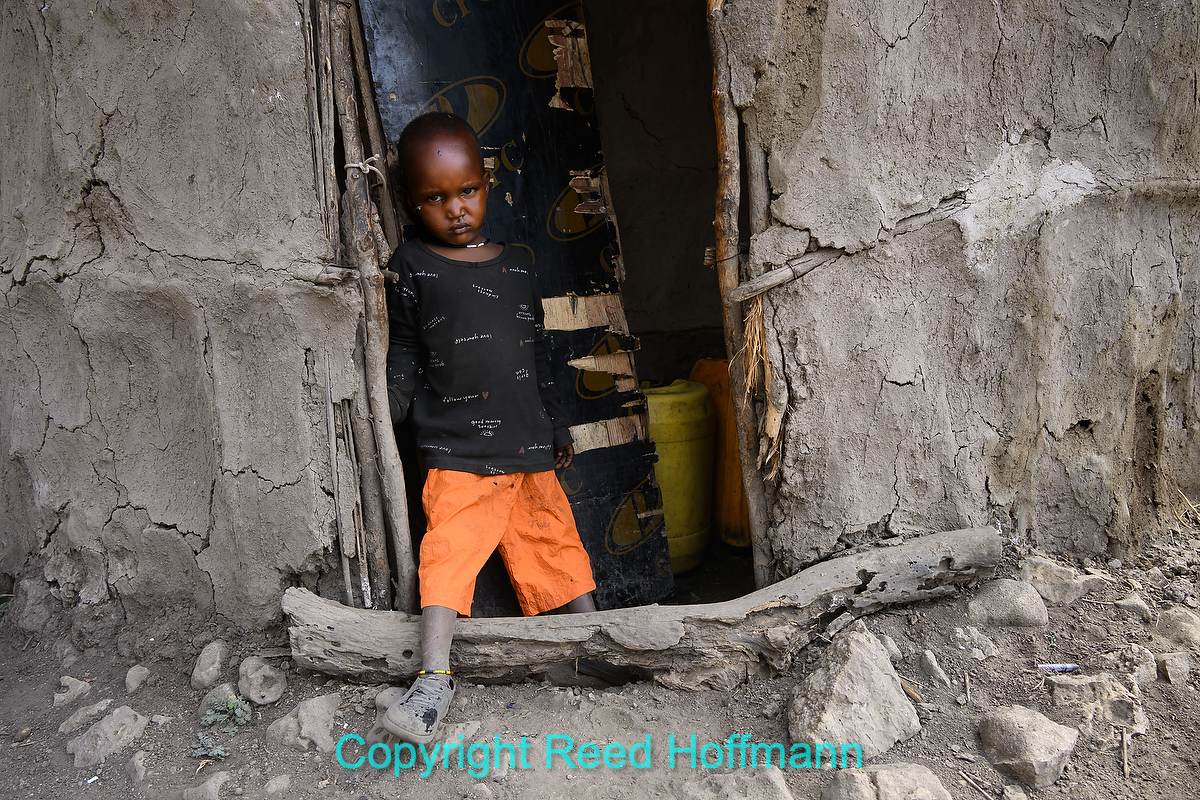
The families live in small mud-and-stick huts, and usually move a couple of times a year to find better grazing areas for their herds. Nikon Z 8, Manual exposure with Auto ISO, Sunny white balance, ISO 250, 1/250 at f/5.6 in Matrix metering, 0.0 EV, Nikkor Z 24-200mm f/4-6.3 VR lens at 26mm.
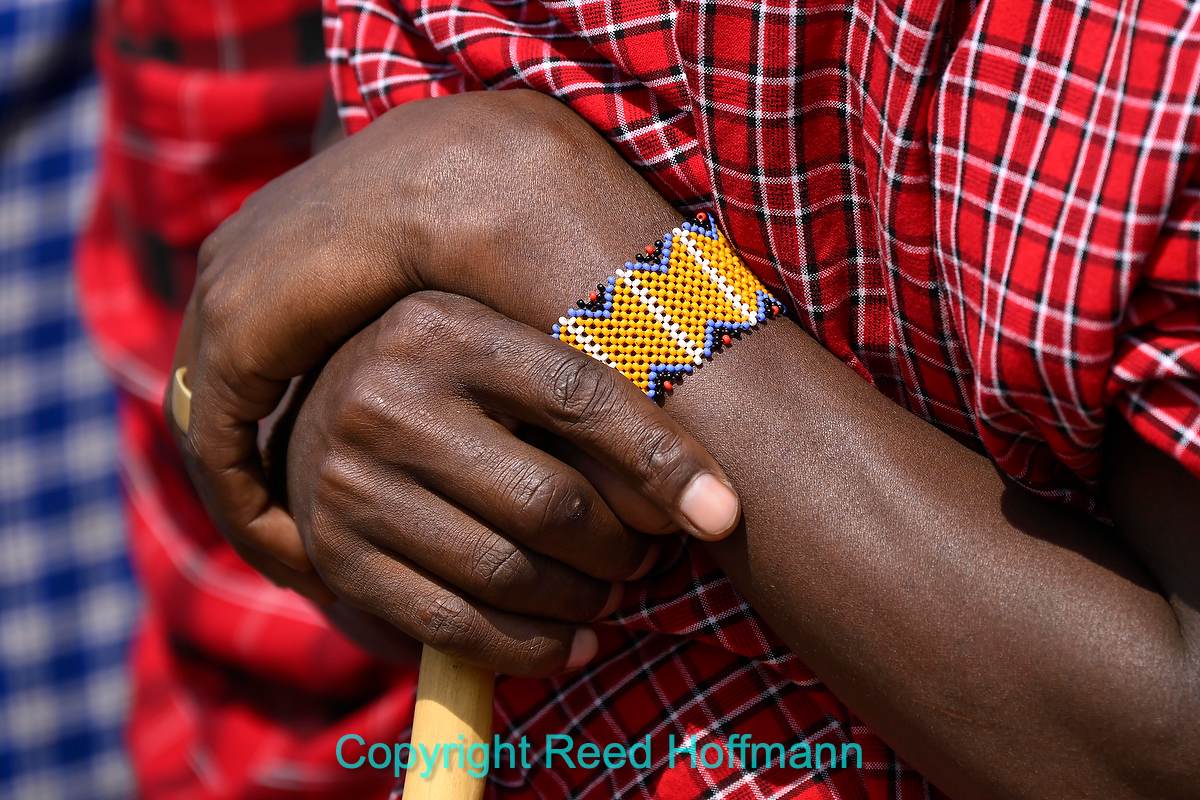
The men usually wear red blankets as robes, which can serve many purposes. The red color also makes it easy for them to find each other when out grazing their animals. Nikon Z 8, Manual exposure with Auto ISO, Sunny white balance, ISO 250, 1/1000 at f/6.3 in Matrix metering, 0.0 EV, Nikkor Z 24-200mm f/4-6.3 VR lens at 170mm.
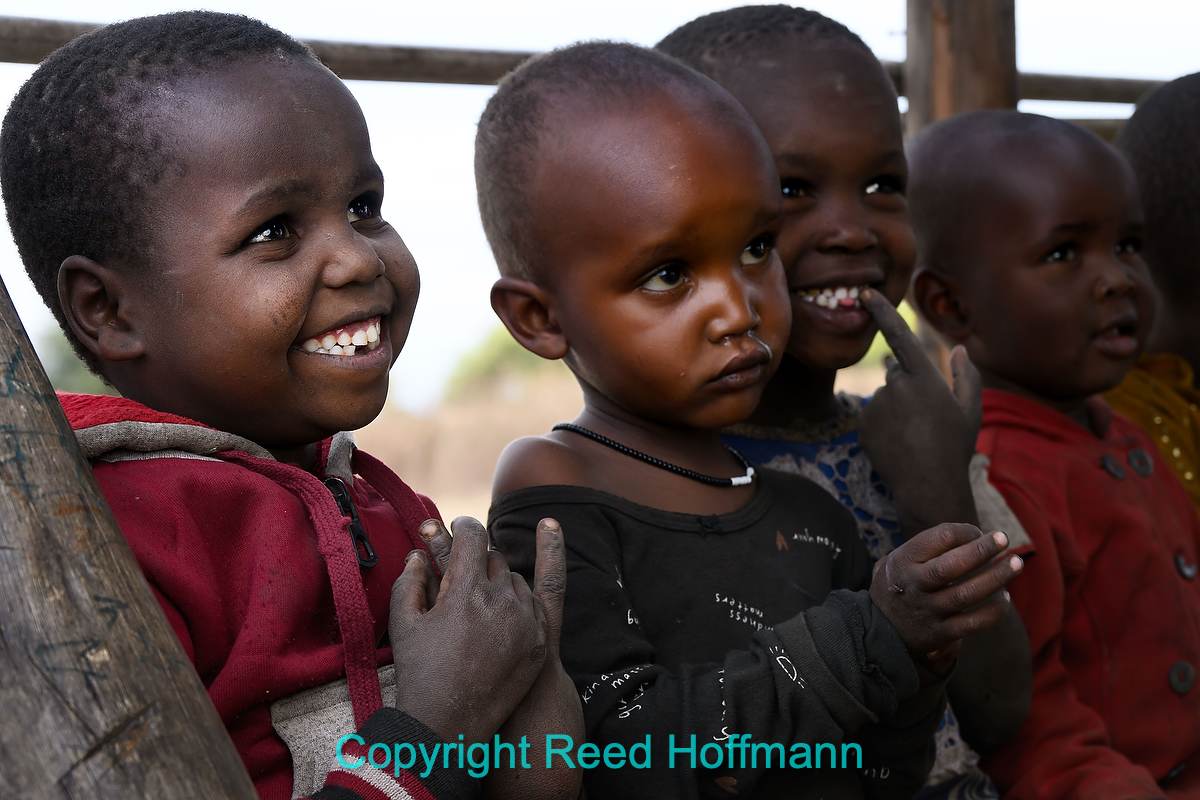
The government provides free education for the Maasai kids at boarding schools. The youngest remain in their village until old enough to attend, and begin learning their numbers, and English, while there. We always bring books, pencils and crayons for the children. Nikon Z 8, Manual exposure with Auto ISO, Sunny white balance, ISO 400, 1/250 at f/8 in Matrix metering, 0.0 EV, Nikkor = Z 24-200mm f/4-6.3 VR lens at 73mm.
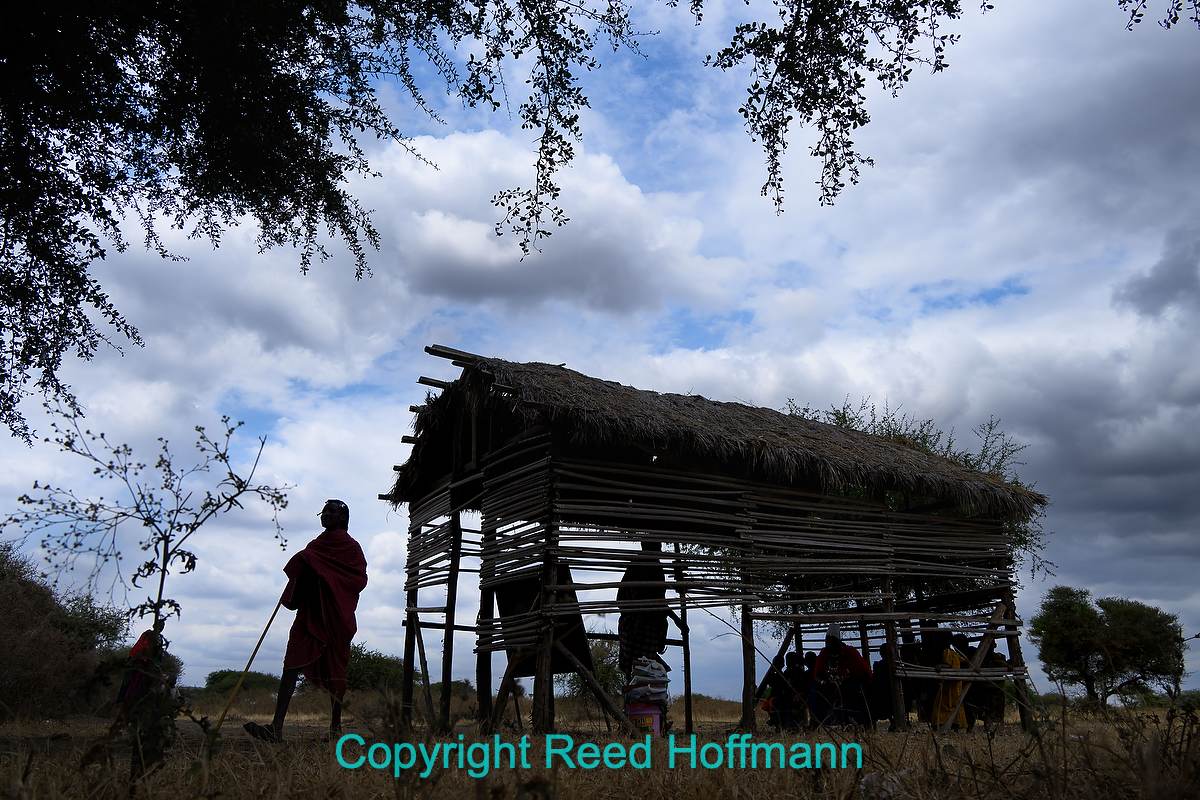
The schoolhouse for the youngest kids, just outside the village. Nikon Z 8, Manual exposure with Auto ISO, Sunny white balance, ISO 100, 1/400 at f/8 in Matrix metering, +0.3 EV, Nikkor Z 24-200mm f/4-6.3 VR lens at 25mm.
As I said, I plan on returning in the summer of 2027. If you’re interested in joining, let me know!
NOTE: I’ll be teaching an online Wildlife Photography class this January for the Creative Photo Academy. Message me if you’d like information about it.
(If you like this story, please share it with your friends and let them know about the links on photography that I post on my business Facebook page. I’m also on Instagram and Twitter, @reedhoffmann. And if you’re curious about the workshops I teach, you can find them here. Finally, you can subscribe to this blog on my home page.)
I’ll be carefully assessing my options now for Africa in 2027!